Pages

Thursday, March 12, 2026

Top 10 Roofing Contractors in Toledo Ohio

If your roof took a beating this past winter or you just noticed shingles curling in the gutters, finding the right roofing contractor in Toledo Ohio matters a lot. Toledo weather is rough on roofs. Lake Erie wind, spring hail, freeze-thaw cycles all winter. A bad contractor makes all of that worse.

This list covers 10 roofing contractors in Toledo Ohio worth knowing about. Two of them we know well. The rest are pulled from verified reviews, BBB records, and what actual Toledo homeowners are saying online.

1. Pro Craft Home Products — Toledo Roofing Contractor Since 1952

Pro Craft Home Products Logo

If longevity means anything to you, Pro Craft Home Products has been doing roofing in Toledo Ohio since 1952. That is over 70 years of working on homes in this area. They are family-owned, locally based at 1622 Coining Dr in Toledo, and they answer the phone 24/7.

What makes them stand out is the combination of roofing and exterior work under one roof. Most contractors in Toledo do roofing only. Pro Craft does roof replacement, roof repair, residential roofing, commercial roofing, metal roofing, asphalt shingle roofing, gutters, gutter guards, vinyl siding, windows, and insulation. If you want one contractor handling everything on your home’s exterior, this is worth a call.

They are an Owens Corning Platinum Preferred Contractor, BBB A+ rated, and have over 113 Google reviews with a strong rating. Real customers mention the crew being professional, the cleanup being thorough, and the pricing being fair. One reviewer had a roof and patio doors done and called the whole experience smooth start to finish.

They also serve all of Northwest Ohio and Southeast Michigan. If you’re outside Toledo proper, check their service areas to see if they cover your zip.

Phone: 419.475.9600 Get a quote: procrafthomeproducts.com/get-a-quote

2. Roofing419 — Toledo Roofing Company
 

Roofing419 - Toledo Roofing Company Logo
Roofing419 – Toledo Roofing Company Logo

Roofing419 is a local Toledo roofing contractor that has built a strong reputation over the past 10 years for residential roofing across Toledo OH and the surrounding area. They were ranked one of the Top 3 roofing contractors in Toledo Ohio for 2025 and hold the Owens Corning Platinum Preferred Contractor status, which fewer than 1% of roofing contractors in North America qualify for.

They do roof replacement, roof repair, metal roofing, asphalt shingle roofing, new roof installation, and storm damage roof repair across Toledo OH. They are also a Roser Certified Installer for metal roofing, which means they can offer the full 50-year Roser manufacturer warranty that non-certified contractors cannot.

What Toledo homeowners mention most in their reviews is straight pricing, fast response after storms, and clean job sites. They handle permits on every full replacement and help homeowners through the insurance claims process when storm damage is involved. They also offer financing options and back every job with strong warranties.

If you want a free roof inspection in Toledo before committing to anything, they offer a 19-point inspection at no cost.

Phone: (419) 509-0456 Get a quote: roofing419.com/get-a-quote

3. Westshore Home

Westshore Home is a national contractor that operates in Toledo OH. They handle roof replacement, siding, and windows. They are known for a structured sales process and offer financing. Reviews are mixed. Some customers praise the install quality and others mention a high-pressure sales experience. Worth getting a quote to compare pricing but read the contract carefully before signing.

4. Perrysburg Roofing and Renovation

A smaller local operation serving Toledo and the Perrysburg area. Good reviews on Google for residential roof repairs and smaller replacement jobs. They work fast on single-family homes and respond quickly after storms. Not as much online presence but the reviews from actual customers are solid. Best for homeowners who want a local crew and a simpler process.

5. A.B. Martin Roofing

A.B. Martin has a long track record in the Midwest and does work in the Toledo Ohio market. They handle metal roofing, asphalt shingles, and commercial flat roofing. Strong on commercial jobs. For residential roofing in Toledo OH they are a solid option if you are specifically looking for metal roofing systems. Check their availability since they cover a wide region and scheduling can take longer than a dedicated local Toledo contractor.

6. Five Star Home Improvements

Five Star covers Toledo and surrounding Lucas County. They do roof replacement, siding, and gutters. Reviews on Google average around 4 stars with customers noting the crew is professional and jobs get done on time. Pricing is mid-range. Good option for homeowners who want a company that handles roofing and exterior work together, similar to Pro Craft but smaller in scale.

7. Ohio Metal Roofing

As the name says, this contractor specializes in metal roofing in Toledo Ohio. If metal is specifically what you want, they know the product well. They install standing seam and corrugated metal systems. Less experience with asphalt shingle roofing so if you are comparing material options or want advice on both, you may get a more complete picture from a contractor that does both.

8. Feldkamp Roofing

Feldkamp is a Toledo area roofing contractor that has been around for several years. They do residential roof replacement and repair across Toledo OH. Reviews mention honest estimating and a crew that keeps job sites clean. Smaller operation so projects take a bit more time to schedule during busy storm seasons. Good for straightforward replacement jobs on average-sized Toledo homes.

9. Toledo Roof Pros

Toledo Roof Pros is a newer company in the Toledo Ohio roofing market. They focus on residential roofing, roof repair, and storm damage work. Their Google reviews are positive so far with customers noting quick response times. Because they are newer you won’t find the same volume of long-term customer feedback that more established Toledo roofing contractors have. Worth getting a quote and checking their licensing before hiring.

10. Northwest Ohio Roofing

Northwest Ohio Roofing covers Toledo and the broader Lucas County area. They do residential roofing, repair, and replacement. Average Google reviews, no standout certifications listed publicly. A workable option for basic roofing needs but do your due diligence. Ask about their warranty on labor specifically since that is where smaller contractors in Toledo often fall short.
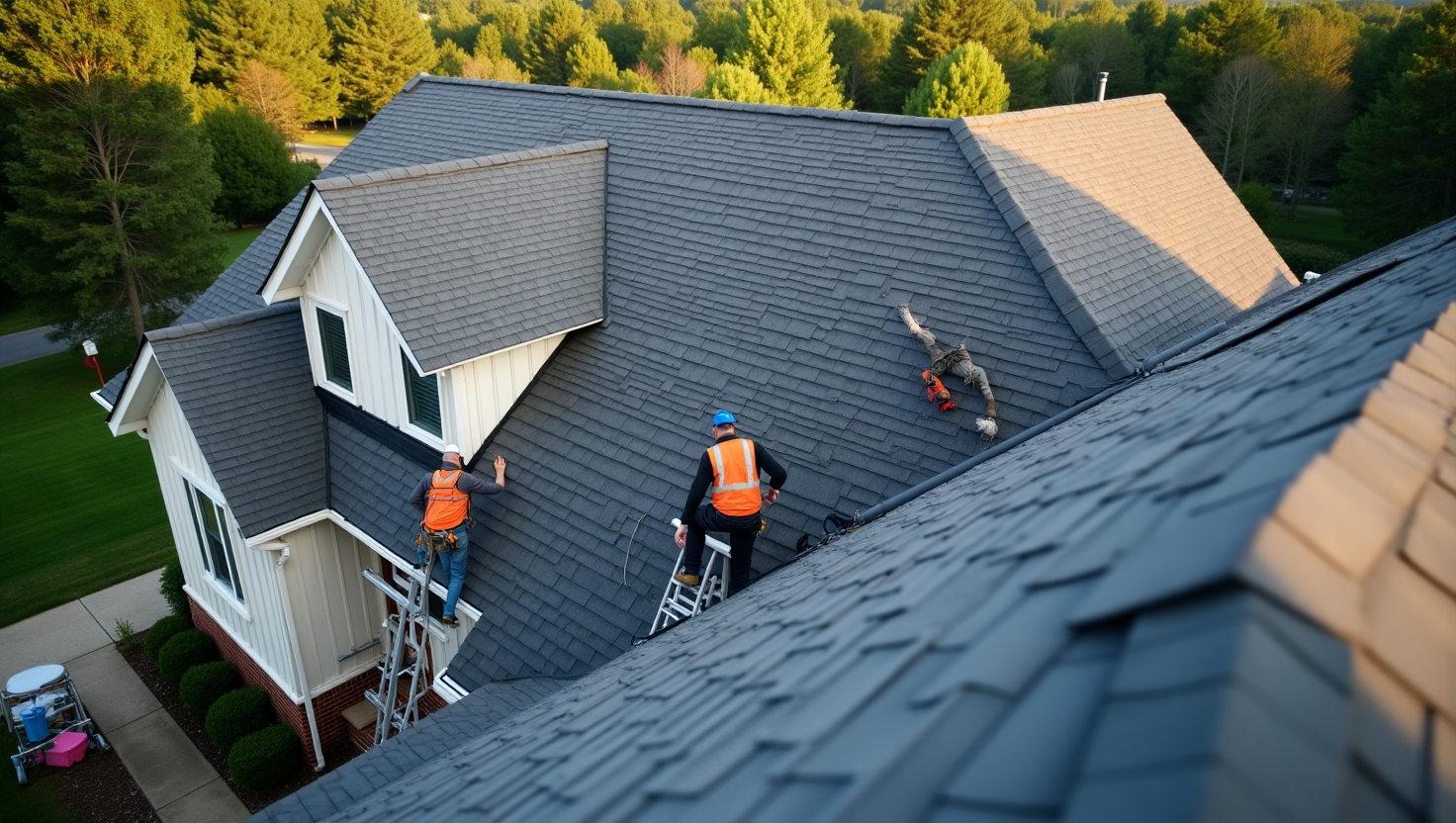
Pro Craft Home Products providing expert roofing contractor services in Toledo, Ohio.
Pro Craft Home Products – professional roofing contractor serving Toledo, OH.

How to Pick the Right Roofing Contractor in Toledo Ohio

Before you call anyone on this list, here are four things that matter more than price.

Check their certifications. An Owens Corning Platinum Preferred Contractor offers a System Warranty that covers both materials and labor. A standard contractor using Owens Corning shingles cannot offer that. It is a real difference in coverage, not just a logo.

Ask if they pull permits. In Toledo OH, a full roof replacement requires a permit through Lucas County. Any contractor skipping that step creates a liability for you as the homeowner if you ever sell the house.

Look for local track record. Storm chasers show up after every big hail event in Toledo. They do fast work, take the money, and are gone before problems show up. A contractor with verifiable local reviews over multiple years is a safer call.

Get the warranty in writing. Ask specifically what the labor warranty covers and for how long. One year is not enough on a roof. Look for contractors who stand behind their work for at least five years on labor.

If you want to compare the two strongest options on this list side by side, Pro Craft Home Products brings 70 plus years of Toledo roofing history, BBB A+ rating, and a full exterior service lineup. Roofing419 brings Owens Corning Platinum Preferred status, Top 3 Toledo contractor ranking for 2025, and a tight focus on residential roofing with strong warranties and a free 19-point inspection.

Both are worth calling. Both are local. Both stand behind their work.

The post Top 10 Roofing Contractors in Toledo Ohio appeared first on Pro Craft Home Products.


source https://www.procrafthomeproducts.com/top-10-roofing-contractors-in-toledo-ohio/

Friday, September 26, 2025

Which Type of Metal Roofing is Best for Your Home?

The best type of roofing for your home depends on climate, aesthetic preferences, and maintenance needs. Metal roofing options like standing seam metal roofing, corrugated metal roofing, metal shingles, steel roof, aluminium roofing, copper roofing, and zinc roofing offer durability and style. Professional installation ensures lasting performance.

Choosing the right type of roofing enhances your home’s durability, energy efficiency, and curb appeal. Metal roofing materials, such as standing seam metal roofing or metal shingles, provide a modern alternative to traditional roof options like asphalt shingles or clay tiles. Below, we explore the main types of metal roofs, metal roof styles, metal roof flashing types, metal roof trim types, and how to select the best roof types for your home, with insights from Procraft Home Products.

What Is Metal Roofing?

Metal roofing is a durable system made from various types of metal. Want a roof that outlasts traditional roof materials?
Metal roofing, including steel roofs, aluminium roofs, copper roofing, and zinc roofing, offers superior durability, weather resistance, and low maintenance. Available in metal roof styles like standing seam metal roofing, corrugated metal roofing, or metal shingles, it suits diverse home designs compared to asphalt shingles or clay tiles.

Why Choose Metal Roofing?

Metal roofs are long-lasting, energy-efficient, and versatile. Need a roof that handles storms and saves energy?
Metal roofing options last 40-70 years, resist fire and wind, and reflect heat, reducing cooling needs compared to traditional roof materials like asphalt shingles. They’re eco-friendly, often recyclable, and available in various roof types to match any home aesthetic. If you’re considering making the switch, learn how metal roofing is installed here.

Types of Metal Roofing Materials

Durable metal roofing materials for residential roofs
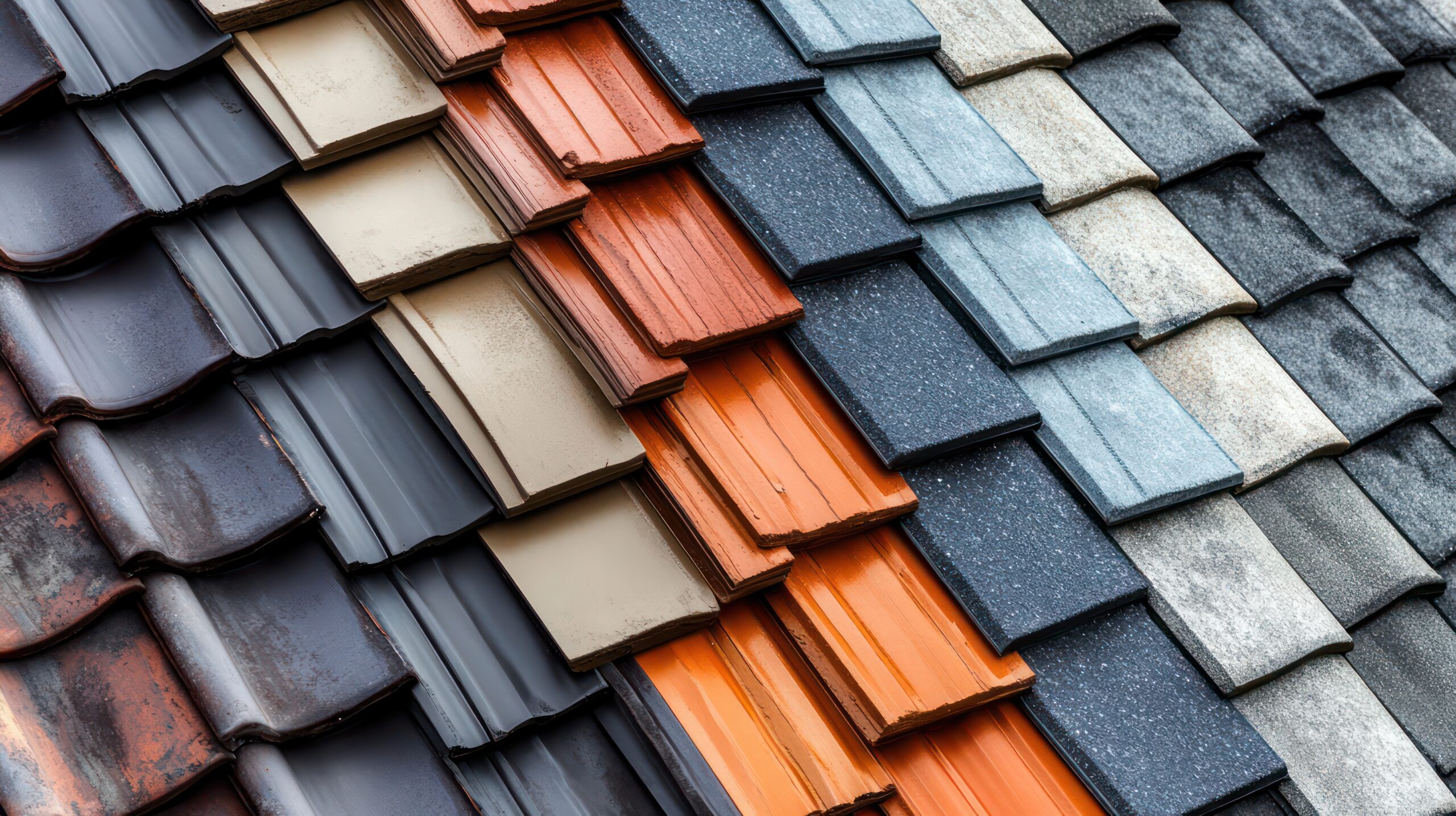
Roofing materials comparison, with side-by-side images of different roofing options such as shingles, tiles, and metal

1. Steel Roofing

The steel roof is strong and widely used. Need a tough, reliable roof?
Galvanized steel, a common type of metal, is coated to resist corrosion, making it ideal for harsh weather. It’s one of the most popular metal roofing materials, but requires proper coating to prevent rust.

Best For:

Homes in moderate climates seek durability.

2. Aluminium Roofing

Aluminium roofing is lightweight and corrosion-resistant. Live near the ocean?
Aluminium roofing withstands salty air and humidity, making it ideal for coastal regions. It’s lighter than galvanized steel, reducing structural stress.

Best For:

Coastal or humid areas are prone to corrosion.

3. Copper Roofing

Copper roofing is elegant and durable. Want a roof with timeless charm?
Copper roofing, a premium type of metal, develops a patina over time, adding character. It’s highly durable and ideal for distinctive designs.

Best For:

Historic or high-end homes.

4. Zinc Roofing

Zinc roofing is eco-friendly and self-healing. Seeking a sustainable roof?
Zinc roofing forms a protective patina, resisting scratches and corrosion. It’s recyclable and exceptionally long-lasting.

Best For:

Eco-conscious or modern home designs.

Types of Metal Roof Panels

Modern metal roof panels for residential homes
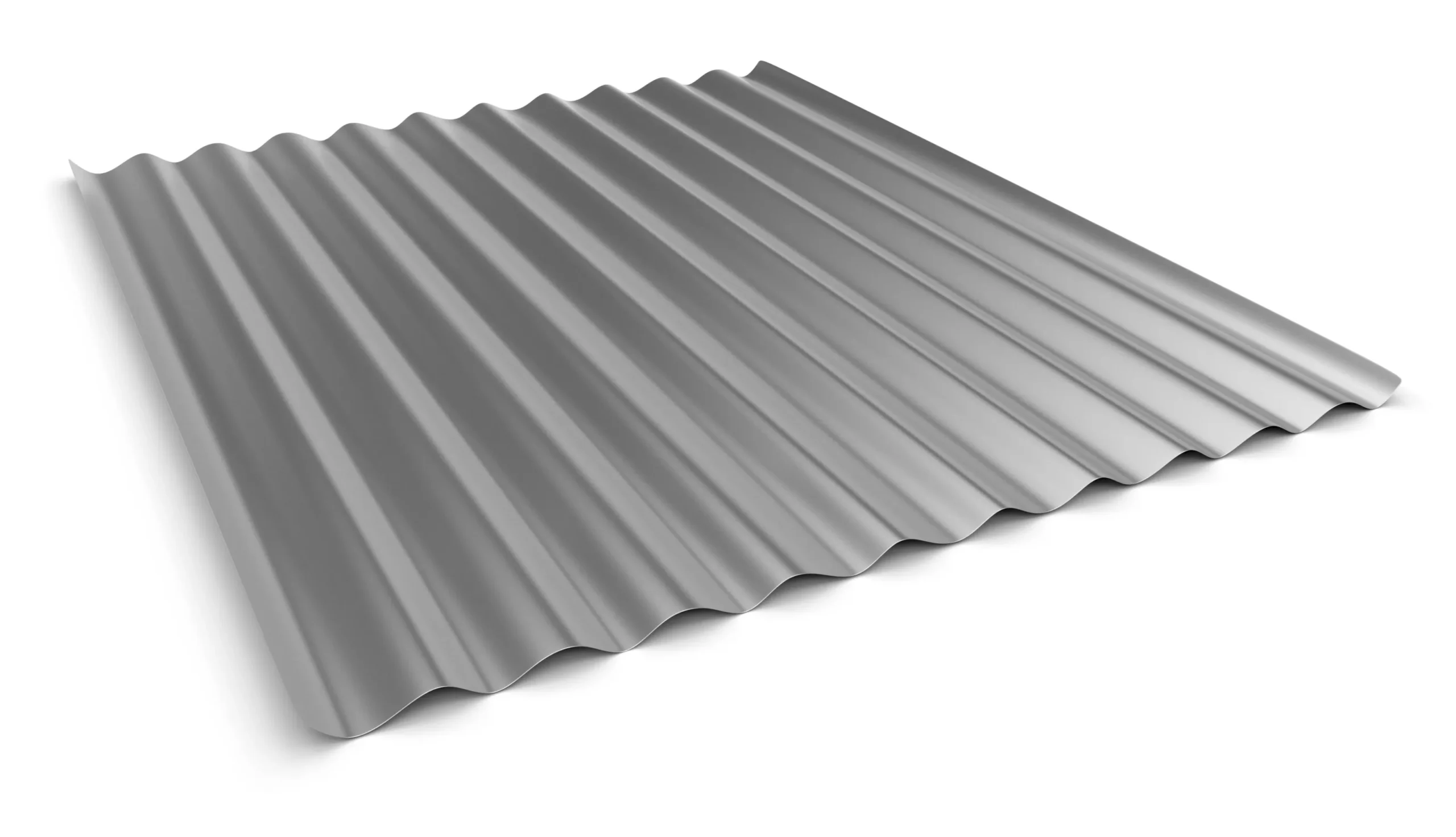
Types of metal roof panels

1. Standing Seam Metal Roofing

Standing seam metal roofing is sleek and watertight. Want a modern, leak-proof roof?
Standing seam metal roofing uses concealed fastener panels with raised seams, preventing leaks. It’s durable for heavy rain or snow. Learn how it compares to corrugated metal roofing.

Best For:

Contemporary homes or regions with extreme weather.

2. Corrugated Metal Roofing

Corrugated metal roofing is rugged and versatile. Need a durable, practical roof?
Corrugated metal roofing features wavy panels, offering strength and easy installation. It’s a common type of metal for rural or industrial homes.

Best For:

Rustic or functional home designs.

3. Metal Shingles

Metal shingles combine durability with classic style. Love the look of asphalt shingles but want longevity?
Metal shingles mimic asphalt shingles or clay tiles while offering metal’s durability. They provide a versatile aesthetic.

Best For:

Homes seeking a traditional roof appearance.

Metal Roof Flashing and Trim Types

Flashing and trim ensure a sealed, polished roof. Worried about leaks at roof edges?
Metal roof flashing types (e.g., valley, drip edge, chimney) and metal roof trim types (e.g., gable, ridge cap) seal joints and edges, preventing water entry. They enhance metal roof styles like standing seam metal roofing or corrugated metal roofing.

Best For:

All roof types, customised to panel design.

Factors to Consider When Choosing

Climate: Aluminium roofing or zinc roofing for coastal areas; steel roof for inland climates.
Aesthetics: Metal shingles for traditional roof looks; standing seam metal roofing for modern designs.
Maintenance: Coated steel roof or aluminium roofing requires less upkeep than copper roofing.
Installation: Professional installers ensure proper fitting of concealed fastener panels, metal roof flashing types, and metal roof trim types.

Metal Roofing Services in Toledo Ohio
Top-rated metal roofing services in Toledo, Ohio for long-lasting protection and modern curb appeal.

Conclusion

Selecting the best metal roofing materials depends on your home’s climate, style, and maintenance preferences. Metal roofing options like standing seam metal roofing, corrugated metal roofing, metal shingles, steel roof, aluminium roofing, copper roofing, and zinc roofing offer superior durability and aesthetics compared to traditional roof materials like asphalt shingles or clay tiles. Procraft Home Products provides expert guidance and installation to ensure your type of roofing delivers long-lasting performance and appeal. Contact us for a consultation to find the ideal roof types for your home.

The post Which Type of Metal Roofing is Best for Your Home? appeared first on Pro Craft Home Products.


source https://www.procrafthomeproducts.com/which-type-of-metal-roofing-is-best-for-your-home/

Tuesday, September 23, 2025

6 Benefits of Home Insulation

Home insulation lowers utility costs, improves comfort, enhances air quality, reduces noise, boosts property value, and promotes sustainability. Professional installation maximizes these advantages for a more efficient home.

Insulation is a cornerstone of energy-efficient living, offering multiple advantages that enhance comfort and reduce costs. From attics to walls, materials like spray foam, fiberglass, or cellulose provide lasting value. Below, we explore six key benefits of insulating your home, with insights on how Procraft Home Products can help you achieve them.

1. Lower Utility Costs

Insulation reduces heating and cooling expenses. Frustrated by skyrocketing energy bills?
A well-insulated home minimizes heat loss in winter and keeps cool air in during summer. Attic insulation, in particular, prevents heat from escaping through the roof, potentially cutting energy costs by 20-30%, according to industry estimates. This saves homeowners significant money over time.

How It Works:

Procraft Home Products uses high-performance materials to seal gaps, ensuring maximum energy savings, especially in high-heat-loss areas like attics.

2. Improved Comfort Year-Round

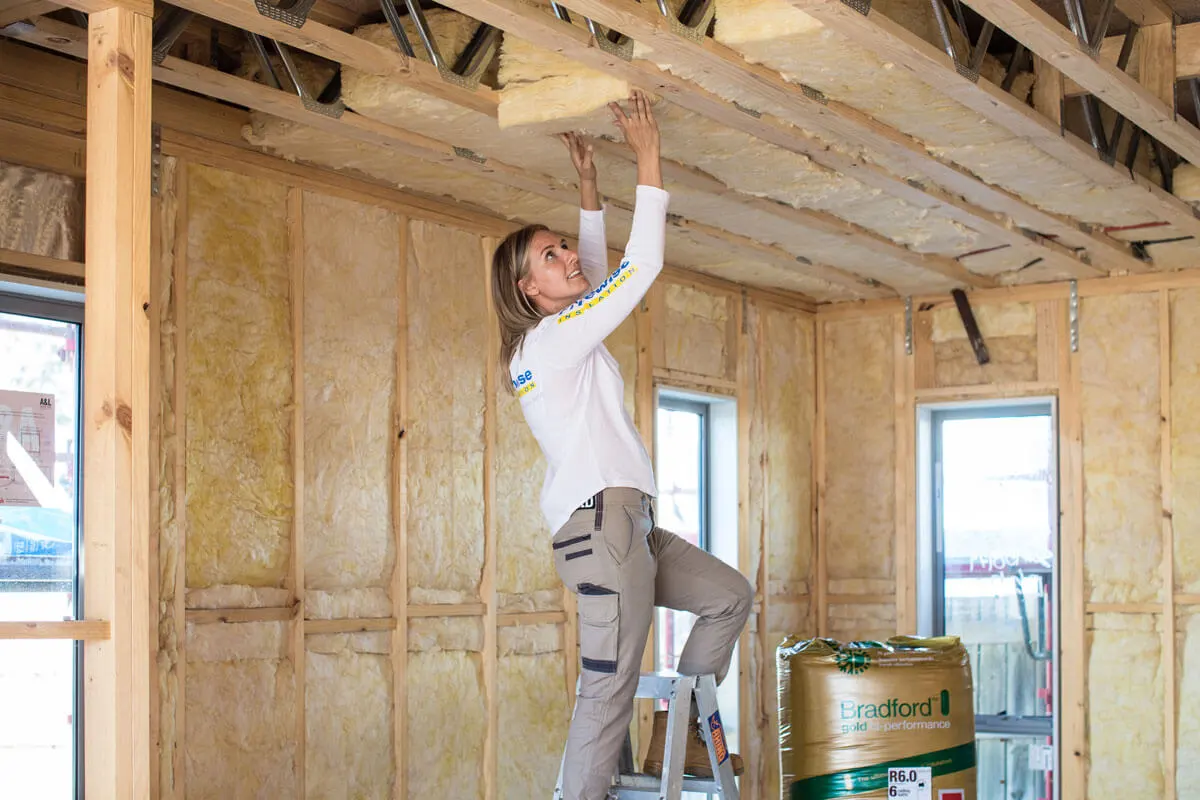
Benefits of home insulation for energy efficiency and comfort
Discover how home insulation improves comfort and lowers energy bills.

Insulation keeps indoor temperatures consistent. Tired of chilly drafts or overheated rooms?
Insulation creates a thermal barrier, eliminating cold spots and maintaining even temperatures. Spray foam seals cracks effectively, while attic insulation stops heat from rising out of living spaces, ensuring a cozy home in any season.

How It Works:

Precise installation techniques provide uniform coverage, keeping your home comfortable regardless of outdoor conditions.

3. Better Indoor Air Quality

Insulation blocks pollutants and prevents mold. Want healthier air at home?
Proper insulation seals out dust, pollen, and outdoor contaminants. By controlling moisture, it also reduces the risk of mold, which can trigger allergies or respiratory issues, especially in poorly ventilated attics.

How It Works:

Using low-emission materials and proper ventilation, installers ensure clean, healthy air throughout your home.

4. Quieter Living Spaces

Insulation dampens external noise. Disturbed by traffic or neighborhood sounds?
Materials like spray foam or dense fiberglass absorb sound waves, reducing noise from outside or between rooms. Attic insulation is especially effective at muffling sounds from rain, wind, or overhead aircraft, creating a peaceful environment.

How It Works:

High-density insulation materials are selected to minimize sound transmission, ideal for homes in busy areas.

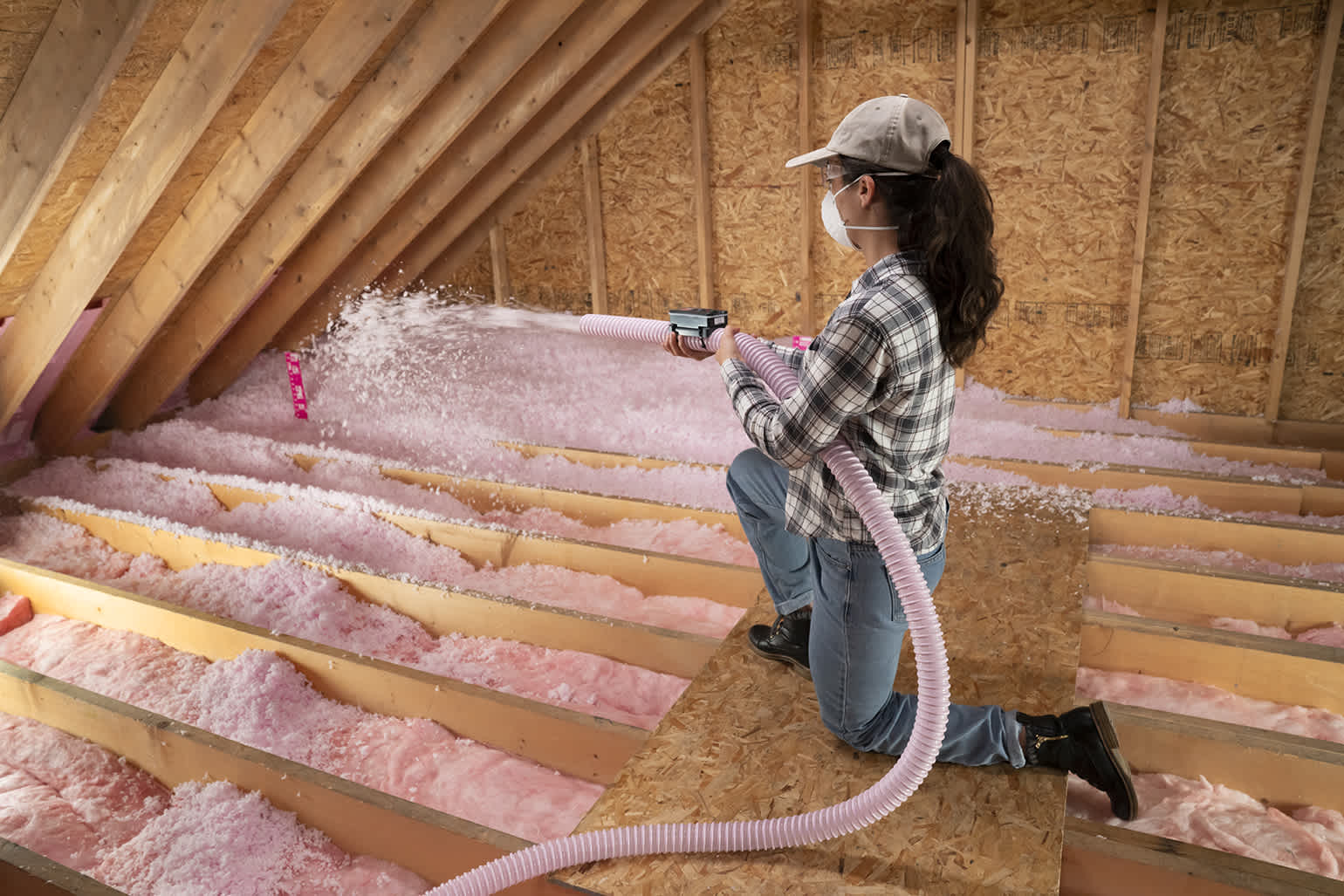
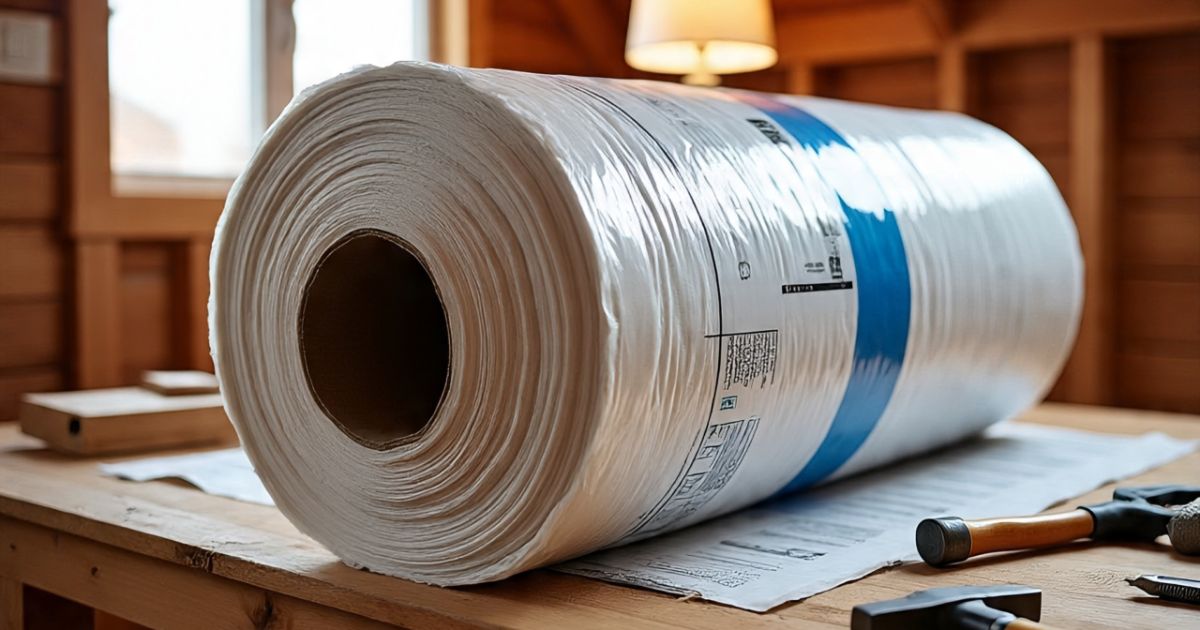
Blow in insulation process for energy-efficient home insulation
The blow-in insulation process fills gaps to improve home energy efficiency.

5. Higher Property Value

Insulation increases home resale appeal. Planning to sell your home?
Energy-efficient homes with quality insulation attract buyers looking for lower utility costs. Well-insulated properties can see up to a 5% boost in appraisal value, as buyers value the long-term savings and comfort.

How It Works:

Professional installation with detailed records reassures buyers, enhancing your home’s marketability.

6. Sustainable Living

Insulation lowers your environmental impact. Want to reduce your carbon footprint?
Insulation reduces energy use, cutting greenhouse gas emissions. High-efficiency materials like spray foam or eco-friendly cellulose require less energy to maintain comfortable temperatures, supporting a greener lifestyle.

How It Works:

Sustainable insulation options and expert installation minimize energy waste, aligning with environmentally conscious goals.

Conclusion

Insulation delivers significant benefits, from slashing utility costs to creating a quieter, healthier, and more sustainable home. Whether upgrading your attic or insulating walls, professional installation ensures optimal performance. If you’re looking for the best home insulation service in Toledo, Procraft Home Products is here to help you improve comfort, cut energy bills, and protect your home year-round.

The post 6 Benefits of Home Insulation appeared first on Pro Craft Home Products.


source https://www.procrafthomeproducts.com/benefits-of-home-insulation/

Sunday, September 21, 2025

8 Common Insulation Problems and Solutions

Issues with home insulation, such as spray foam insulation and fiberglass insulation, include poor installation, air leaks, mold growth, moisture buildup, odors, adhesion failures, material incompatibility, high costs, and overheating. Solutions involve hiring certified insulation installers, ensuring air-sealed systems, proper ventilation, and compatibility assessments to reduce energy bills and enhance comfort.

Home insulation is essential for maintaining low energy bills, improving comfort, and protecting structural integrity. However, common problems with spray foam insulation, fiberglass insulation, blown-in insulation, and other insulating materials can undermine these benefits. Below, we explore these issues, focusing on attic insulation, older home challenges, and practical solutions to ensure an air-sealed and efficient home.

What Is Insulation?

What Is Insulation?Insulation is a material that reduces heat transfer, keeping homes warm in winter and cool in summer. Curious how insulation saves energy?
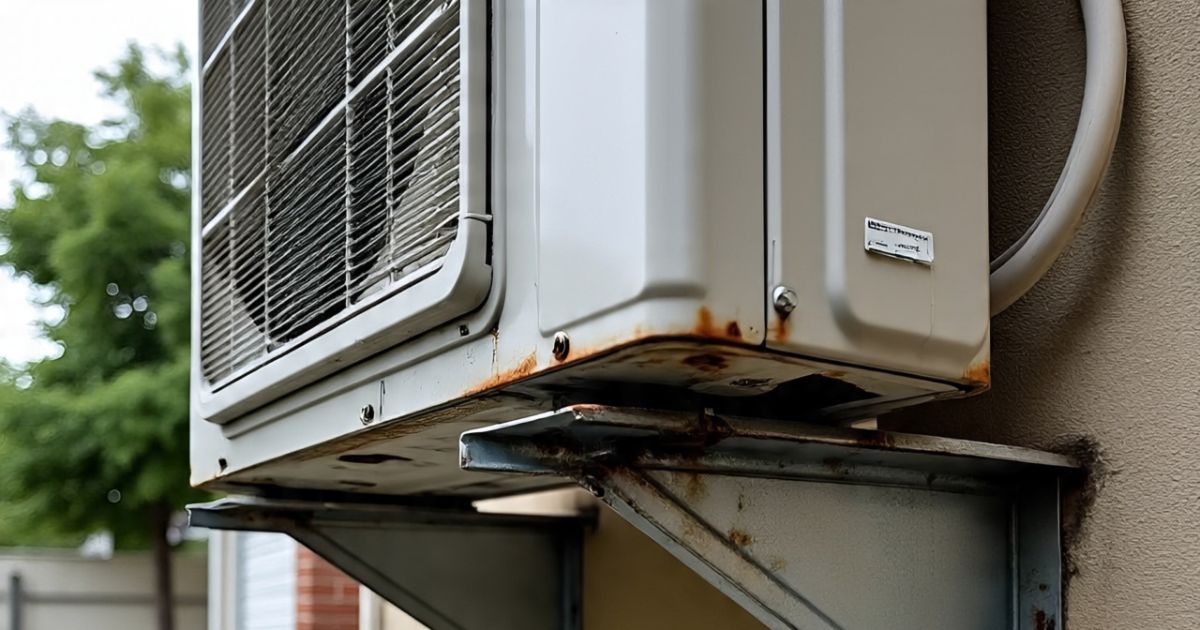
Insulation, such as spray foam, fiberglass batts, or blown-in cellulose, creates a barrier to prevent heat loss or gain. Installed in walls, attics, and floors, it seals air leaks, improving efficiency, especially in attics of older homes.

Why Is Proper Insulation Important?

Proper insulation lowers energy bills, enhances comfort, and protects against mold and structural damage. Want a cozier home with lower bills?

Effective insulation reduces energy costs by minimizing heat transfer, maintains consistent indoor temperatures, and prevents moisture-related issues like mold. A well-sealed system, particularly in attics, reduces HVAC strain and improves air quality, crucial for older homes.

Is It Time to Upgrade Your Insulation?

Upgrade if you notice high energy bills, drafts, uneven temperatures, or mold, especially in homes over 15-20 years old. Feeling drafts or seeing high bills?

Signs to upgrade include rising energy costs, cold spots, or visible mold. Older homes with outdated fiberglass batts or settled blown-in insulation may lose efficiency. Consult professional installers to assess and recommend modern materials suited to your home.

1. Poor Installation Leading to Air Leaks

Poor Installation Leading to Air Leaks
Poor installation is causing air leaks in the home.

Are high energy bills draining your wallet despite new insulation?
Poorly installed spray foam insulation or fiberglass batts can result in air leaks and thermal bridging, especially in attic insulation. This reduces the effectiveness of the insulating material, allowing heat loss and increasing costs, particularly in an older home where surfaces may be uneven.

Solution:

Hire certified insulation installers trained in proper techniques to install insulation evenly and achieve an air-sealed barrier. For spray foam insulation, ensure the recommended thickness (2-6 inches for closed-cell). Use thermal imaging post-installation to detect air leaks. For fiberglass batts, provide a tight fit without compression to maintain R-value.

2. Moisture Buildup and Mold Growth

Is mold growth lurking in your home? Insulation could be the culprit.
Spray foam insulation can trap moisture if not paired with adequate ventilation, leading to mold growth and wood rot, especially in attic insulation or older home settings with poor airflow. Blown-in insulation like cellulose can also absorb moisture if not properly sealed.

Solution:

Ensure ventilation systems, such as trickle vents or mechanical units, are used to manage humidity. Fix roof or wall leaks before you install insulation. For humid areas, open-cell spray foam insulation allows vapor diffusion, while fiberglass insulation or blown-in insulation may need vapor barriers. Regular moisture checks prevent mold growth.

3. Odors and Off-Gassing Issues

Smelling something odd after insulation? Off-gassing might be the issue.
Improperly mixed spray foam insulation or inadequate ventilation during installation can cause odors or respiratory irritation, particularly in enclosed spaces like attics in an older home.

Solution:

Choose low-VOC spray foam insulation and ensure strong ventilation during and after installation. Test a small area first to confirm compatibility. Certified insulation installers can minimize off-gassing risks, ensuring safer home insulation.

4. Adhesion Failures and Structural Concerns

Is your insulation peeling or causing damage? Adhesion issues could be to blame.
Spray foam insulation that fails to bond due to improper mixing or surface prep can create cavities, trapping moisture and fostering mold growth. In attic insulation, closed-cell foam’s airtightness may stress roof structures in an older home through expansion and contraction.

Solution:

Work with experienced insulation installers who follow strict mixing and surface prep guidelines to ensure an air-sealed bond. Balance airtightness with ventilation to protect structures. Warranties from reputable insulation installers cover adhesion-related common problems.

5. Incompatibility with Existing Materials

Renovating an older home? Your insulating material choice matters.
Spray foam insulation may react poorly with certain roofing materials or existing fiberglass insulation, reducing effectiveness or causing damage in older home settings. This is a frequent attic insulation issue with incompatible membranes or insulation layers.

Solution:

Conduct a compatibility assessment before you install insulation. In some older home scenarios, fiberglass batts or blown-in insulation like cellulose may be safer. Professional insulation installers can recommend the best insulating material for your home’s needs.

6. High Costs and Property Value Impacts

Worried about energy bills and resale value? Insulation costs can add up.
Spray foam insulation is expensive (£20–£70 per m²), and some lenders flag it due to common problems like moisture or structural risks, potentially affecting property value in an older home.

Solution:

Compare long-term savings on energy bills with upfront costs. Alternatives like fiberglass insulation, blown-in insulation, or sheep’s wool may be less contentious with lenders. Keep detailed records of professional installation to reassure buyers or mortgage providers.

7. Overheating from Poor Ventilation

Is your attic too hot? Your insulating material might trap heat.
Closed-cell spray foam insulation creates an air-sealed barrier that can cause attics to overheat, straining HVAC systems and shortening roof lifespan, especially in warmer climates or older home settings.

Solution:

Incorporate ventilation like passive windows or energy recovery systems to regulate heat. Design attic insulation with climate-specific needs, avoiding unnecessary vapor barriers in hot regions. Proper ventilation reduces common problems and protects your roof.

8. Challenges with Other Insulation Types

Not sold on spray foam insulation? Other materials have trade-offs.
Fiberglass insulation can settle, reducing its R-value, while blown-in insulation like cellulose may absorb moisture without proper sealing. Mineral wool, though fire-resistant, is costly and tricky to install in tight spaces like an older home.

Solution:

Choose an insulating material based on your home’s climate, budget, and structure. For example, blown-in insulation suits eco-friendly homes but needs vapor barriers in humid areas. Fiberglass batts are cost-effective but require precise installation to avoid air leaks. Consult insulation installers for tailored recommendations.

Tips for Maintaining Insulation

Regular checks and ventilation maintain insulation performance. Want insulation to last longer?

  • Inspect Annually: Check attics for mold, moisture, or settling, especially in older homes.
  • Seal Gaps: Use caulk to fix air leaks around vents or pipes.
  • Clear Vents: Ensure ventilation is unobstructed to prevent moisture in spray foam or cellulose.
  • Avoid Compression: Don’t store heavy items on fiberglass batts to preserve R-value.
  • Professional Reviews: Have installers assess insulation every 5-10 years.

FAQs

Q: What causes air leaks in insulation?

A: Poor installation or gaps in fiberglass batts or spray foam allow air leaks, raising energy bills. Certified installers ensure a sealed barrier.

Q: How can I prevent mold with attic insulation?

A: Use ventilation and fix leaks before installation. Open-cell spray foam or vapor barriers with cellulose help in humid areas.

Q: Is spray foam insulation worth the cost?

A: It lowers energy bills but is pricey (£20–£70 per m²). Fiberglass or cellulose may be more budget-friendly for older homes.

Q: When should I upgrade my insulation?

A: Upgrade every 15-20 years or if you notice drafts, high bills, or mold. Older homes may need earlier upgrades.

Q: Can fiberglass insulation cause health issues?

A: Improperly installed fiberglass can release particles, irritating. Professional installation ensures safety.

Conclusion

Common problems like air leaks, mold growth, and overheating can undermine home insulation benefits. By choosing certified insulation installers, ensuring air-sealed systems, and selecting the right insulating material, whether spray foam insulation, fiberglass batts, or blown-in insulation, you can lower energy bills and enhance comfort. Contact a professional to design an attic insulation plan that addresses your home’s unique needs, especially in an older home.

The post 8 Common Insulation Problems and Solutions appeared first on Pro Craft Home Products.


source https://www.procrafthomeproducts.com/8-common-insulation-problems-and-solutions/

Monday, September 15, 2025

9 Things You Need to Know About the Insurance Process for Roof Damage

If your roof has been damaged by wind, hail, or storm debris, you’re likely wondering what comes next. The insurance process for roof damage can feel overwhelming, especially if it’s your first time filing a roof insurance claim. As someone who’s seen every type of roofing problem under the sun, let me walk you through the key things you need to know to make the process smoother and avoid costly mistakes.

1. What’s the first step after your roof gets damaged?

roof inspection in toledo
Professional roof inspection in Toledo ensures home safety and durability.

Start with an inspection. That doesn’t mean calling your insurance company just yet. First, you need a trusted local roofer to inspect the damage. A trained eye can tell the difference between minor wear and real damage that qualifies for a claim.

Here’s what happens during a roof inspection:

  • The roofer checks for missing shingles, dents, and signs of leaks.
  • They document the damage with clear photos.
  • They help you understand whether the damage is from age, weather, or both.

Why it matters:

Insurance only covers sudden or accidental damage, not general wear and tear. Getting a pro involved early helps you avoid wasting time on a claim that might be denied.

2. When should you file a roof insurance claim?

Once a roofer confirms that your damage is likely caused by a covered event (like a hailstorm or wind gusts), it’s time to file a claim with your insurance company.

Tip:

Don’t delay. Most policies have a time limit, often 1 year, for filing after the date of damage. Waiting too long could lead to a denied claim.

3. What does the insurance adjuster do?

After your claim is filed, your insurance company will send out an adjuster. This is the person who will inspect your roof and decide if the claim is approved and how much you’ll get.

Here’s what to expect:

  1. The adjuster looks at the same spots your roofer did.
  2. They take their photos and notes.
  3. Their report will determine how much your insurance pays.

Pro tip:

Have your roofer there when the adjuster comes. Someone like a rep from Pro Craft Home Products knows how to point out damage and make sure nothing is missed.

4. How much will insurance cover for roof damage?

How much will insurance cover for roof damage?
Understanding insurance coverage for roof damage after a storm.

This depends on your policy. Most home insurance plans cover roof damage from storms, hail, and falling trees. However, coverage isn’t unlimited.

Things that affect your payout:

  • Your deductible (the amount you pay out of pocket).
  • The current age of your roof.
  • Your policy’s coverage type: Actual Cash Value (ACV) vs Replacement Cost Value (RCV).

If your policy is ACV, you’ll only get the depreciated value of the roof. With RCV, you get the full cost of replacing the roof, minus your deductible.

5. Will insurance cover a 20-year-old roof?

It depends on the condition of the roof and your specific policy. Many insurance companies reduce coverage as the roof gets older. If your roof is 20 years old or more, you might only receive ACV coverage.

In short:

  • If the roof were well-maintained, you might still get partial coverage.
  • If it’s heavily worn or past its life expectancy, the claim might be denied entirely.

A roofing expert can give you an honest assessment upfront so you don’t go into the claim blind.

6. What’s the difference between roof repair and roof replacement insurance?

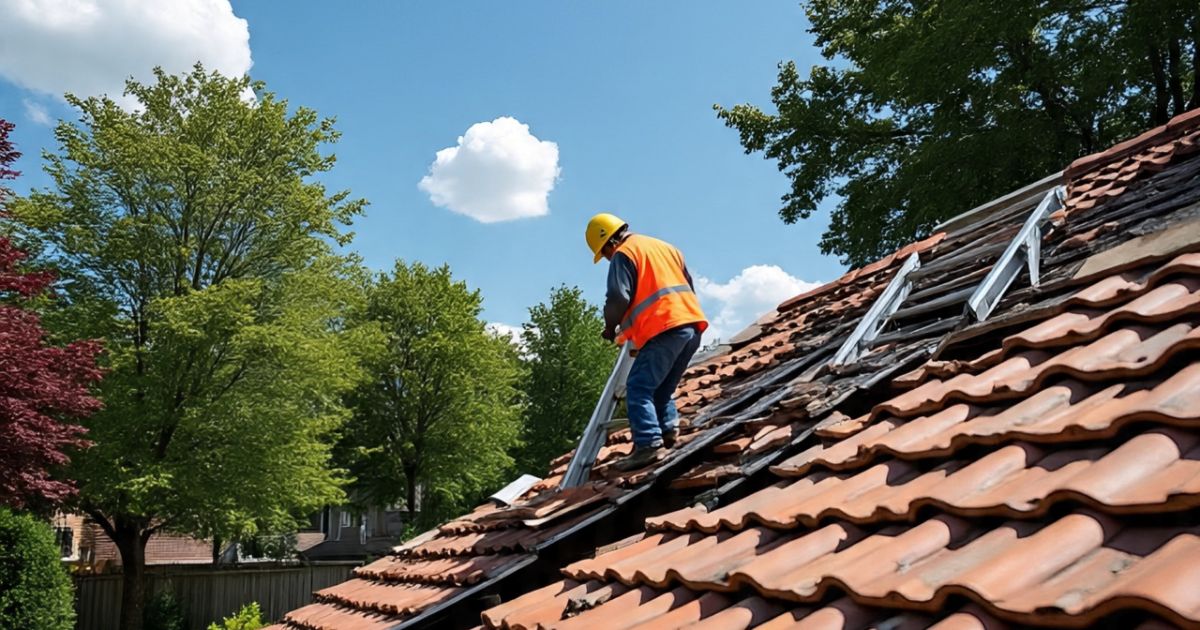
roof repair in toledo
Skilled team working on roof repair in Toledo.

Some policies only pay to repair the damaged area. Others may approve a full replacement if the damage is widespread or affects the roof’s performance.

You might get a full roof replacement insurance claim if:

  1. Shingles are damaged across multiple areas.
  2. Materials are no longer available to match the existing roof.
  3. The decking or structure beneath is compromised.

Insurance companies don’t love paying for full replacements, but when the evidence is strong, it’s hard for them to say no.

7. How do you make sure your claim isn’t denied?

Avoid these common pitfalls:

  • Waiting too long to report damage
  • Failing to maintain your roof over time
  • Not having photo evidence before and after the storms

One of the best things you can do is work with a roofer who has experience dealing with roof insurance claims. Companies like Pro Craft Home Products often help homeowners navigate the paperwork and advocate during inspections.

8. Can you choose your roofer after a claim is approved?

Yes, and you should. Insurance companies may suggest contractors, but you’re not required to use them. Pick a roofer you trust, not the cheapest option.

Why it matters:

  • A reputable roofer uses quality materials.
  • They won’t cut corners to save the insurance company money.
  • They’ll help handle follow-ups if the adjuster missed something.

9. What if the insurance money doesn’t cover the full cost?

This happens more often than you’d think. There are two common reasons:

  1. The adjuster underestimated the cost.
  2. Your policy only pays actual cash value.

In either case, a professional roofer can provide a detailed estimate and negotiate a supplement with the insurer. This process isn’t about asking for more than what’s needed; it’s about getting what it takes to do the job right.

Final Thoughts

The insurance process for roof damage doesn’t have to be frustrating. With a trusted roofer by your side and a good understanding of how roofing insurance works, you’ll be better prepared to protect your home and your budget.

If you’ve recently had storm damage or think your roof may have taken a hit, don’t wait. Call us at 419.475.9600 and get that inspection done. Roofs don’t fix themselves, and insurance won’t cover problems that go ignored.

FAQ

Q: Does homeowners’ insurance cover leaks?

A: Yes, if the leak was caused by sudden damage like a storm. Not if it’s due to age or poor maintenance.

Q: Can I get a new roof through insurance?

A: Yes, if the damage is severe enough and your policy includes replacement coverage.

Q: Should I call insurance before a roofer?

A: Always call the roofer first. They can tell you if it’s worth filing a claim and help document the damage.

Q: How long does the roof insurance claim process take?

A: It can take anywhere from a few days to several weeks, depending on the insurance company and claim complexity.

The post 9 Things You Need to Know About the Insurance Process for Roof Damage appeared first on Pro Craft Home Products.


source https://www.procrafthomeproducts.com/things-you-need-to-know-about-the-insurance-process-for-roof-damage/

Thursday, September 11, 2025

8 Common Gutter Issues and Their Solutions

If you’ve ever had water pool around your home’s foundation or seen stains on your siding after a rainstorm, chances are your gutters aren’t doing their job. After 70 years in the roofing business, we can tell you this: gutters are small but mighty. They play a major role in protecting your home, and when they stop working right, problems show up fast.

In this guide, we’ll walk you through some of the most common gutter issues we’ve seen on homes over the years and how to fix them. Whether you’re a new homeowner or just trying to keep your place in good shape, this is everything you need to know.

What do gutters do, and why are they important?

What do gutters do, and why are they important?
Gutters protect your home by channelling rainwater away, preventing damage to walls, foundation, and landscaping.

Gutters have one simple job: move rainwater away from your house. When it rains, water rolls off your roof. Without gutters, that water would fall right next to your foundation, soak into the ground, and over time, cause major damage.

Here’s what gutters help prevent:

  • Basement flooding
  • Foundation cracks
  • Rotting fascia boards
  • Mold and mildew growth
  • Soil erosion around your home

So when someone asks, “What are gutters for?” or “What is the purpose of gutters?” the answer is simple: they protect your home from water damage. That’s why gutters are important, and why keeping them in good shape should be on every homeowner’s checklist.

Why do gutters clog, and how can I prevent it?

The most common gutter problem by far is clogging. Leaves, pine needles, twigs, and even bird nests can block the flow of water.

Signs of clogged gutters:

  • Water spilling over the edge during rain
  • Sagging or pulling away from the house
  • Plant growth in the gutters
  • Stains or mildew on siding

Simple solutions:

  • Clean your gutters at least twice a year, especially in the spring and fall
  • Consider installing gutter guards to block out debris
  • Trim tree branches hanging over your roof

At Pro Craft Home Products, we’ve seen how just a few years of neglect can lead to thousands in water damage. Regular maintenance is worth the time.

What causes gutters to sag or pull away from the house?

Sagging gutters usually mean one of two things: either the brackets are loose or the gutters are weighed down with debris and standing water.

Causes of sagging gutters:

  • Clogged gutters holding too much weight
  • Loose or rusted hangers
  • Rotten fascia boards, the gutters are attached to

What you can do:

  • Tighten or replace brackets and hangers
  • Remove debris and let the gutters dry before reattaching
  • Replace any rotted wood behind the gutter

Don’t wait too long on this one. A sagging gutter can pull completely away and cause damage to your roof edge and siding.

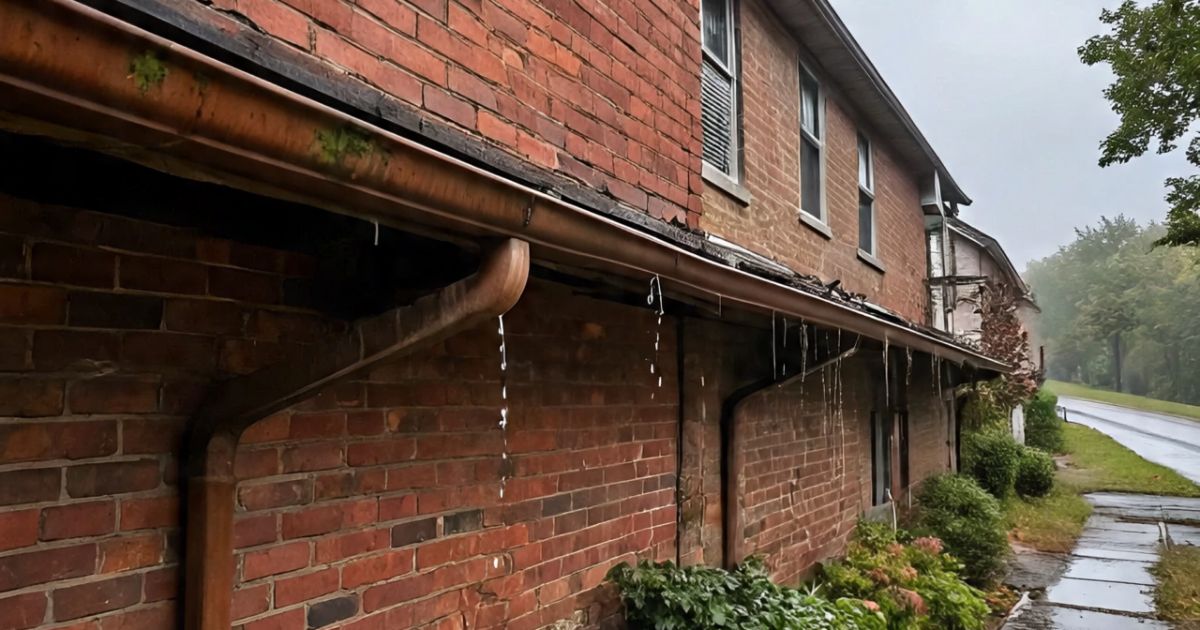
Why are my gutters leaking?

Why are my gutters leaking?
Leaking gutters can cause serious water damage if not fixed quickly.

Leaky gutters might not seem like a big deal, but they can quietly cause water to seep into your walls or foundation.

Common leak sources:

  • Holes from rust or corrosion
  • Seams are pulling apart over time
  • Cracks caused by freezing and thawing

How to fix gutter leaks:

  • Seal small holes and cracks with waterproof gutter sealant
  • For larger damage, replace the section of the gutter
  • Upgrade to seamless gutters if leaks are recurring

With older homes, it’s common for metal gutters to rust or wear thin. We always recommend checking for leaks every spring.

Why does water pool around my foundation?

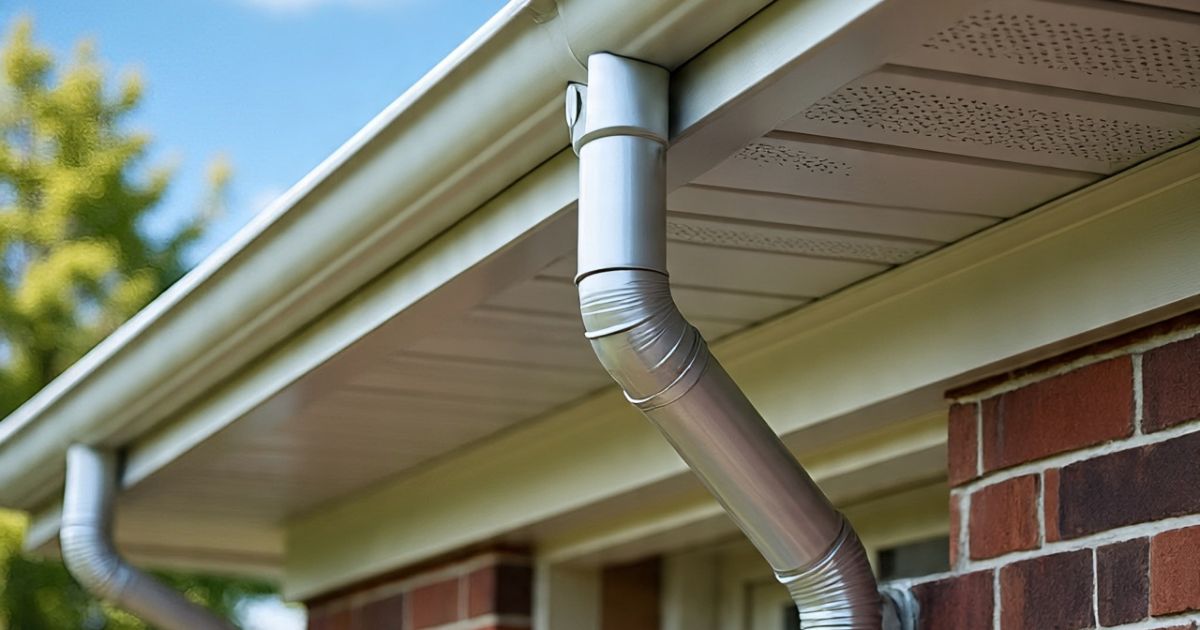
If you notice puddles near your home’s base after a storm, your downspouts or gutter slope might be the problem.

Here’s what to look for:

  • Downspouts that discharge too close to the house
  • Gutters not pitched correctly (they should slope slightly toward the downspouts)
  • Settled or sunken soil under the downspout

What helps:

  • Extend downspouts at least 3 to 6 feet away from your foundation
  • Adjust the gutter pitch to keep water flowing
  • Regrade the soil to slope away from the home

This is one of the top reasons homeowners end up needing foundation repairs, and it’s completely avoidable.

What if my gutters overflow even when they’re clean?

If your gutters are clear but still overflowing during rain, you might have an issue with their size or placement.

Possible reasons:

  • Gutters are too small for the roof size
  • Not enough downspouts to handle heavy rain
  • Gutters installed without proper slope

What to do:

  • Upgrade to 6-inch gutters if you have a steep or large roof
  • Add extra downspouts to improve flow
  • Rehang gutters with the right pitch

At Pro Craft Home Products, we often recommend seamless aluminium gutters for modern homes. They handle more water and are less prone to leaks or overflow.

Can ice dams damage my gutters?

Can ice dams damage my gutters?
Ice dams can weigh down and damage gutters during winter.

Yes, ice dams are a real threat in colder climates. When snow melts and refreezes at the roof edge, it creates a dam. This pushes water back under your shingles and weighs heavily on your gutters.

Prevent ice dams by:

  • Adding insulation to your attic to keep heat from escaping
  • Making sure your roof is well-ventilated
  • Using heated gutter cables in problem areas

Heavy ice can cause gutters to bend or tear right off the house. Prevention is key.

When should I replace my gutters instead of repairing them?

Sometimes repairs just won’t cut it, especially if your gutters are more than 20 years old.

Signs it’s time to replace:

  • Multiple leaks or sagging spots
  • Rusted or corroded metal
  • Peeling paint or water stains on siding
  • Gutters are pulling away repeatedly

Upgrading to seamless gutters or a more durable material like aluminium or copper can save you money in the long run.

Final Thoughts

Gutters might not be the most exciting part of your home, but they do a big job. If you’ve ever asked, “Why are gutters important?” now you know: they protect everything from your roof down to your foundation.

Keeping them clean, secure, and properly sloped is the best way to avoid expensive repairs down the road. And if you’re unsure where to start or need help diagnosing a problem, a local expert like ProCraft Home Products can take a look and offer honest advice.

Quick FAQ: Common Gutter Questions

How often should I clean my gutters?

Twice a year, in the spring and fall. More often, if you have lots of trees nearby.

Do gutter guards work?

They can reduce how often you clean, but they aren’t maintenance-free. You’ll still need to check for clogs.

Can I fix sagging gutters myself?

If you’re comfortable on a ladder and the damage is minor, yes. But for widespread sagging, it’s best to call a professional.

What type of gutters last the longest?

Aluminium and copper gutters tend to last the longest with proper care.

The post 8 Common Gutter Issues and Their Solutions appeared first on Pro Craft Home Products.


source https://www.procrafthomeproducts.com/8-common-gutter-issues-and-their-solutions/

Top 10 Roofing Contractors in Toledo Ohio

If your roof took a beating this past winter or you just noticed shingles curling in the gutters, finding the right roofing contractor in To...