Pages

Thursday, April 24, 2025

What Is a Roofing Square and How to Calculate It?

Confused by Roof Estimates? Why It Costs More Than You Think

You hire a roofer. He says, “Your roof is 25 squares,” and provides you with a quote. You stop. What is a roofing square? How come they can’t simply say square feet? How does it impact your ultimate cost, too?

Don’t worry, you’re not the only person who has ever been confused by roofing square. In this blog, I’ll break it down for you like I would for my own family. You’ll learn:

  • What does a roofing square mean

  • How to calculate it yourself

  • Why is it used in roofing

  • What does it mean for your wallet

Let’s clear up the confusion once and for all.

What Is a Roofing Square?

Roofing Square
Tools and plans laid out to calculate roofing squares for a new project.

A roofing square is a unit of measurement equal to 1 square = 100 square feet of roof area. Professional roofers use this term to estimate the amount of materials needed and to calculate labour costs.  So if your roof is 2,000 square feet, you have 20 “roofing squares.” This term is just a quicker, cleaner way for roofers.

✅ Simple formula:

Roofing squares = Total square feet ÷ 100

How to Calculate Roofing Squares (Step-by-Step)

roofing squares
Stacks of shingles prepared based on calculated roofing squares.

To figure out how many roofing squares you need, here’s what you do:

  1. Measure your roof – Length × Width for each section

  2. Add all sections – Get total square footage

  3. Divide by 100 – That’s your roofing squares

💡 Example:

If one side of your roof is 30 feet by 50 feet:

  • 30 x 50 = 1,500 sq ft

  • If the other side is the same: 1,500 x 2 = 3,000 sq ft

  • 3,000 ÷ 100 = 30 roofing squares

Why Roofing Squares Matter

Understanding roofing squares is essential for:

  • Accurate Material Estimates: Helps in determining the exact amount of materials needed, reducing waste.

  • Cost Calculation: Labour and material costs are often quoted per square, making it easier to compare estimates.

  • Project Planning: Facilitates better budgeting and scheduling for your roofing project.

How Roofing Squares Affect Your Budget

Roofing costs are calculated per square, not per square foot. So knowing your number of squares helps you plan better.

Here’s what different roof types cost:

Material Cost Per Square Foot Cost for 20 Squares
Metal Roof $11.50 – $20.50 $23,000 – $41,000
Tin Roof $6 – $18 $12,000 – $36,000
Asphalt Shingles $4.50 – $8.50 $9,000 – $17,000

⛏ These are just material and installation estimates – your location, pitch, and roofing contractor near you can affect the total.

Why Not Just Use Square Feet?

Good question. Roofers prefer squares because:

  • It’s faster to calculate

  • Roofing materials are packed per square

  • Labour is priced per square

It keeps the job organised and professional.

❗ Common Mistake: Ignoring Roof Pitch

If your roof has a slope, your surface area increases. That’s where roofing calculators or a professional inspection can save you thousands. Never guess your squares — it can lead to short materials or overpriced labour.

roofing calculators
A digital roofing calculator is being used to estimate materials for a new roof.

FAQs

How many square feet are in a package of roofing shingles?

One bundle of asphalt shingles typically covers about 33.3 square feet. So, you need 3 bundles to cover one roofing square (100 sq ft).


How big is a roofing square?

A roofing square is 100 square feet of roof area. It’s a standard unit used in the roofing industry to estimate materials and labour.


What is a square in roofing terminology?

In roofing terms, a “square” is a unit of measurement equal to 100 square feet of roofing surface. It helps roofers estimate materials like shingles and underlayment.


How many bundles are in a roofing square?

It takes 3 bundles of standard asphalt shingles to make up 1 roofing square (which covers 100 square feet).

✅ Final Thoughts

A roofing square may seem confusing at first, but once you get the hang of it, it’s a simple and helpful unit. Whether you’re replacing a roof, comparing quotes, or planning your budget, knowing how to calculate roofing squares puts you in control.

Still confused or don’t want to risk wrong measurements?

Procraft Home Products handles it – we’ll measure, quote, and guide you every step of the way. No jargon. No stress. Just honest roofing help.

The post What Is a Roofing Square and How to Calculate It? appeared first on ProCraft Home Products.


source https://www.procrafthomeproducts.com/what-is-a-roofing-square-and-how-can-it-be-calculated/

What Is Membrane Roofing? A Simple Guide

Is Your Flat Roof Failing Too Soon?

Leaks, water pooling, and short lifespans are common problems when your flat or low-slope roof isn’t protected properly. And most homeowners or even building managers don’t realise this until costly repairs show up. So what’s the solution?

In this guide, we’ll explain what is membrane roofing, why it matters, and how to choose the best type for your home, business, or even RV. Whether you’ve heard of EPDM, PVC, or TPO roofing membrane, we’ll break it all down without any confusing terms.

What Is Membrane Roofing?

Membrane Roofing
Contractors applied membrane roofing on a flat commercial building.

Membrane roofing is a type of roofing system designed mainly for flat roofs or low-slope roofs. It’s made of durable, waterproof materials that protect your structure from leaks and water damage.

There are different types of membrane roofs, but the purpose is the same: to create a sealed surface that blocks out rain, snow, and debris.

Main Types of Membrane Roofing

1. EPDM Rubber Roofing Membrane

  • Material: Synthetic rubber

  • Best for: Homes, commercial buildings, and garages

  • Pros:
    • Budget-friendly

    • Long-lasting (up to 25 years)

    • Easy to repair

  • Cons:

    • Absorbs heat (unless coated)

    • Can shrink over time

2. PVC Roofing Membrane

  • Material: Plastic-based

  • Best for: Commercial roofs or where chemical resistance is needed

  • Pros:

    • Fire-resistant

    • Reflects sunlight (good for energy savings)

    • Resistant to oils and chemicals

  • Cons:

    • Higher cost

    • Needs expert installation

3. TPO Membrane Roof

  • Material: Thermoplastic

  • Best for: Energy-efficient commercial and residential buildings

  • Pros:

    • Reflective and energy-saving

    • Strong seams (heat-welded)

    • More affordable than PVC

  • Cons:

    • Quality varies between brands

    • Newer, so less long-term data

4. Vinyl Membrane Roof

  • Similar to PVC but with more flexibility. It’s mostly used in balconies or patios.

  • Not very common for full roofing systems, but good for specialised areas.

5. Rubber Roof Membrane for RVS

  • Specially designed for mobile homes or RVS.

  • RV roof membrane types include TPO and EPDM.

  • Flexible, lightweight, and weather-resistant.

✅ Advantages of Membrane Roofing

  • Waterproofing: Prevents leaks and standing water.

  • Flexibility: Works on curved or irregular roof designs.

  • Easy Maintenance: Many systems allow spot repairs.

  • Energy Efficiency: Especially with white TPO or PVC membranes.

  • Durability: When installed properly, it can last over two decades.

❌ Disadvantages of Membrane Roofing

  • Cost: Higher upfront cost compared to traditional shingles.

  • Professional Installation Required: DIY mistakes can lead to major leaks.

  • Vulnerability to Sharp Objects: A tree branch or foot traffic can puncture some membranes.

How Membrane Roof Installation Works

Membrane Roof Installation
Technicians are carefully installing membrane roofing on a flat roof surface.
  1. Old roofing is removed (or a new deck is cleaned).

  2. The insulation layer is added (optional).

  3. The membrane is rolled out and secured (mechanically, adhesive, or heat-welded).

  4. Seams are sealed.

  5. Flashing is installed to prevent edge leaks.

Membrane roof installation must be done carefully to avoid future damage. Whether it’s a flat roof membrane or rubber roofing for RVs, proper sealing is non-negotiable.

Choosing the Best One: What Fits Your Needs?

✅ Best for Budget: EPDM Rubber

Great for residential homes and garages.

✅ Best for Energy Savings: TPO Roofing Membrane

White surface reflects heat, perfect for hot climates.

✅ Best for Tough Conditions: PVC Roofing Membrane

Ideal for restaurants, factories, or places with chemical exposure.

FAQs

What is the difference between a roof and a membrane roof?

A roof is the entire structure that covers a building, including layers like shingles or tiles. A membrane roof is a single-layer or multi-layer waterproof barrier used mainly on flat or low-slope roofs.


What is the purpose of a roofing membrane?

The purpose of a roofing membrane is to create a waterproof seal that protects the structure beneath from rain, snow, and moisture damage.


Is roofing membrane waterproof?

Yes, roofing membranes are specifically designed to be waterproof and prevent leaks, especially on flat roofs where water tends to pool.


What is the best membrane roof for flat roofs?

TPO and EPDM are considered the best membrane roofing options for flat roofs due to their durability, flexibility, and weather resistance.


Is membrane roofing good for residential use?

Yes, membrane roofing is ideal for residential homes with flat or low-slope roofs, offering long-term protection and energy efficiency.

Final Thoughts

Membrane roofing isn’t one-size-fits-all, and choosing the wrong type can cost you in repairs, heat loss, or leaks. But when you understand your roof’s needs, you can select the right solution that protects your investment.

Whether you need a flat roof membrane for a commercial building, a rubber roof membrane for your home, or a PVC roofing membrane for added durability, we’re here to help.

Let Us Help You Make the Right Choice

You don’t have to guess. Procraft Home Products brings decades of experience, so we know exactly what your structure needs. From membrane roof installation to picking the best system for your home or business, trust us to get it right the first time.

Contact us today for an inspection or quote, and make the smart move for your roof.

The post What Is Membrane Roofing? A Simple Guide appeared first on ProCraft Home Products.


source https://www.procrafthomeproducts.com/what-is-membrane-roofing/

What Is the Best Underlayment For Roofing?

Is Your Roof Protected Beneath the Shingles? Here’s What Most People Overlook Until It’s Too Late.

You picked up the shingles. You chose the colour. You even talked about warranties with your roofer. Unfortunately, many homeowners ignore the roofing underlayment far too frequently. Additionally, it’s the one layer that can save your home from leaks, rot, and thousands in water damage. But for durability and long-term protection, this layer beneath your roofing materials is important.

As someone with over 30 years of experience installing roofs, I can assure you that selecting the best underlayment for roofing is more than just a technical process.  It’s the foundation of a dry, long-lasting roof. Let’s break it all down, how it works, the various types available, and how to choose the right one for your home. So that you may make the appropriate decision without the sales pitch or technical terms.

What Is Roofing Underlayment?

Roof underlayment is a water-resistant or waterproof barrier installed directly on the roof deck, under the main roofing material, like shingles or metal panels. It serves as an additional protective barrier to safeguard your home and stop moisture from reaching the wood beneath, especially when wind-driven rain, ice dams, or damaged shingles try to sneak water into your home.

Roofing Underlayment
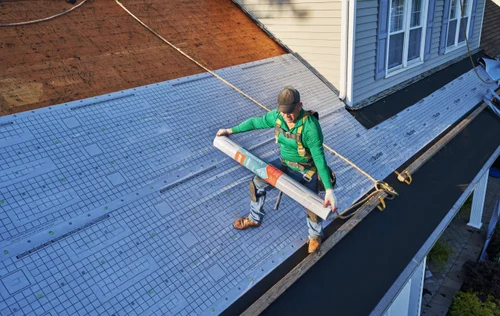
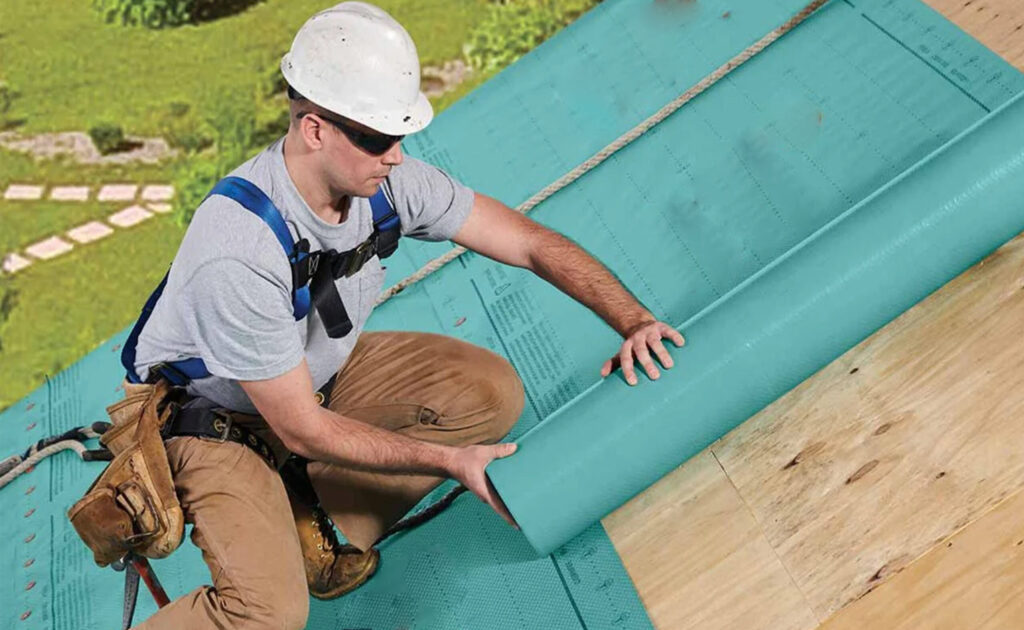
A close-up view of roofing underlayment being laid out before shingles.

Why Do You Need Underlayment?

Underlayment plays several key roles:

  1. Water Resistance: It acts as a water barrier, preventing water from seeping into the home during heavy rain or snow.

  2. Protection Against Ice Dams: In colder climates, ice dams can form and cause water to back up under shingles. The right underlayment reduces this risk.

  3. Enhanced Durability: It adds an extra layer of protection that helps your roof last longer, even in extreme weather conditions.

  4. Improved Energy Efficiency: Some underlayment options help to improve a home’s energy efficiency by providing better insulation.

Types of Roofing Underlayment

There are various types of roofing underlayment, each suited for different types of roofing materials and climates. Here’s a breakdown of the most common options:

1. Felt Underlayment 

  • Best for: Budget-conscious homeowners, temporary protection

  • Pros: Affordable, easy to install

  • Cons: Tears easily, short lifespan, not ideal for extreme heat or heavy rains

2. Synthetic Underlayment

  • Best for: Asphalt shingles, residential re-roofing

  • Pros: Lightweight, tear-resistant, UV-resistant, longer lifespan

  • Cons: Can be slippery, and some brands might hold moisture if installed incorrectly

  • Common issue: Problems with synthetic roof underlayment often come from poor installation, not the product itself.

3. Peel and Stick Underlayment

  • Best for: Metal roofs, valleys, eaves, high-risk leak areas

  • Pros: Self-adhering, waterproof, no fasteners needed, seals around nails

  • Cons: Expensive, must be installed on clean surfaces only

  • Popular pick: Peel-and-stick underlayment for metal roof systems is highly recommended in snow zones or hurricane-prone states.

What Is the Best Underlayment for Roofing?

Roof Type Recommended Underlayment
Metal Roof Peel and stick underlayment (ice & water shield)
Asphalt Shingles High-quality synthetic underlayment
Steel Roofing Hybrid or synthetic + peel & stick in problem areas
Tile Roof Double-layer felt or synthetic + peel & stick at edges


Tip from the field: Don’t mix underlayments unless your roofer knows what they’re doing. Stick to one system when possible.

Problems with Synthetic Roof Underlayment

While synthetic roof underlayment has many advantages, it also comes with some challenges:

  • Installation Sensitivity: Synthetic underlayment can be slippery during installation, requiring extra caution.

  • UV Exposure: Some synthetic underlayments degrade quickly if exposed to UV rays before the roof covering is installed.

Synthetic Roof Underlayment
Synthetic roof underlayment rolled out smoothly across the roof deck.

Cost of Roofing Underlayment

  • Felt: $0.15–$0.30 per sq ft

  • Synthetic: $0.25–$0.60 per sq ft

  • Peel & Stick: $0.75–$1.50+ per sq ft

Yes, synthetic and peel & stick cost more upfront, but they save you thousands in leak repairs over time. And if you’re paying for a full roof, skimping on the underlayment is like putting a Ferrari engine in a rusted-out shell.

Advantages and Disadvantages

👍 Pros:

  • Stops leaks even if the top layer fails

  • Protects wood decking from rot

  • Required by most building codes

  • Adds fire resistance and wind uplift support

👎 Cons:

  • Poor installation = wasted money

  • Not all synthetics are created equal

  • Some products trap moisture if improperly installed

When Should You Replace Roof Underlayment?

  • During residential re-roofing

  • After a storm or water damage

  • If your roof is 15+ years old and has never been checked underneath

Always inspect your roofing underlayment during any home re-roofing project. Even the best shingles won’t protect your house if the layer underneath is weak.

What to Ask Your Roofer Before You Sign

  • What brand of underlayment will you use?

  • Will you use peel & stick in valleys or edges?

  • Is synthetic or felt better for my climate?

  • Will you follow the manufacturer’s installation instructions?

The best re-roofing company or contractor should walk you through these without skipping a beat.

re-roofing company
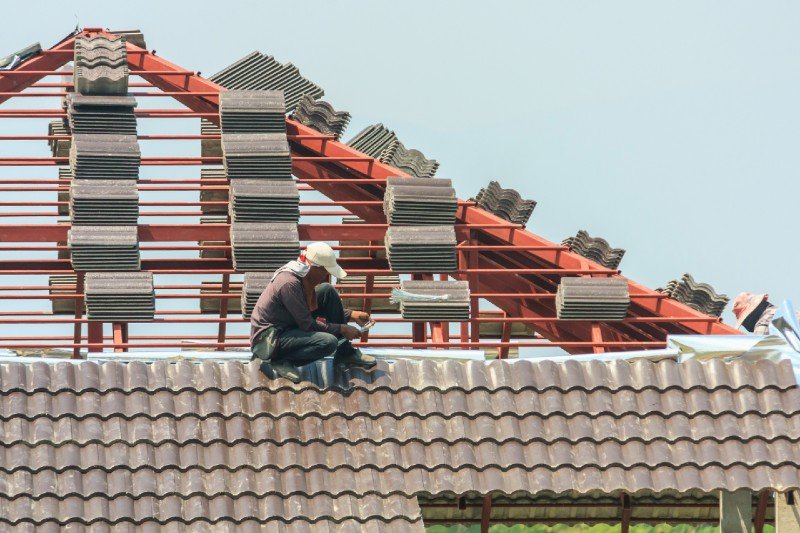
Crew from a re-roofing company working on a residential roof replacement.

FAQs

What is better, EPDM or PVC roofing?

PVC roofing is better for commercial buildings that need strong chemical resistance and heat-welded seams, while EPDM roofing is more affordable and better for colder climates. Choose PVC for durability and EPDM for cost-effective, long-term performance.


What Felt is the best for roofing?

The best felt for roofing is 30 asphalt-saturated felt, as it offers better tear resistance and durability than 15 felt. It’s ideal for steeper roofs and provides reliable protection beneath shingles.


What happens if you don’t use underlayment on a roof?

Without underlayment, your roof is vulnerable to leaks, mould, and wood rot, especially during storms or if shingles get damaged. Skipping underlayment can also void warranties and violate local building codes.


What is the best roofing underlayment to use?

The best roofing underlayment is synthetic underlayment for most homes due to its lightweight design, tear resistance, and water protection. Use peel-and-stick underlayment in valleys, eaves, and metal roofing for maximum waterproofing.

Conclusion

Choosing the right underlayment for your roof ultimately depends on your roofing materials, the climate in your area, and your budget. But here’s what you should never do: leave that decision in the hands of someone who just wants to finish the job fast.

While synthetic options offer the best durability and moisture resistance, peel-and-stick underlayment provides exceptional waterproofing, especially for metal roofs. Asphalt-saturated felt is still a popular choice due to its affordability, but synthetic materials are becoming increasingly favoured for their longevity and superior protection.

If you’re still unsure about which underlayment is best for your home, Procraft Home Products can guide you in making the right choice. We know how to deliver the best solutions to your needs.

👉 Reach out today for expert advice or a free quote from trusted re-roofing contractors near you.

The post What Is the Best Underlayment For Roofing? appeared first on ProCraft Home Products.


source https://www.procrafthomeproducts.com/what-is-the-best-underlayment-for-roofing/

Wednesday, April 23, 2025

What Is Flashing on a Roof? A Simple Guide

Are You Sure Your Roof Is Leak-Proof? The Hidden Importance of Roof Flashing

If water still seeps inside your roof after a hard downpour despite having a strong roof with high-quality shingles, it may be due to broken or missing flashing. Many homeowners neglect this important part, which can result in mould growth, leaks, and expensive repairs. You can avoid these headaches by being aware of what is flashing on a roof and what it does. The fundamentals of roof flashing, including types, installation and maintenance, will be covered in this tutorial.

What Is Roof Flashing?

Roof Flashing
Roof flashing protects vulnerable roof joints.

Roof flashing is a thin material, typically metal, installed at roof joints to seal gaps where water could sneak in. It’s placed where the roof surface meets vertical structures like:

  • Chimneys

  • Vents & skylights

  • Walls (where the roof meets the siding)

  • Valleys (where two roof slopes meet)

Without flashing? Water seeps into your attic, rots wood, and causes mould & structural damage.

Why Is Roof Flashing Important?

Flashing serves as a protective barrier at points where water is most likely to penetrate:

  • Roof valleys where two slopes meet

  • Chimneys, vents, and skylights

  • Edges of the roof

  • Junctions where the roof meets the walls

Without proper flashing, these areas become susceptible to leaks, leading to structural damage, mould growth, and interior water stains.

Common Roof Flashing Materials

Different materials are used for flashing, each with its pros and cons:

  • Galvanised Steel: Durable and corrosion-resistant, commonly used due to its affordability.

  • Aluminium: Lightweight and easy to work with, but may corrode if not coated, especially near masonry.

  • Copper: Highly durable and corrosion-resistant, offering longevity but at a higher cost.

  • Lead: Malleable and long-lasting, but less commonly used today due to health concerns.

  • Rubber or Plastic: Flexible and easy to install, but less durable over time.

6 Main Types of Roof Flashing

Understanding the various roof flashing types helps in identifying and addressing specific needs:

  • Step Flashing: Installed where the roof meets vertical walls, such as chimneys or dormers. It consists of multiple pieces that overlap in a step-like fashion to direct water away.

  • Continuous (Apron) Flashing: A single piece of metal that runs along the joint between a vertical wall and a sloped roof, directing water down the roof.

  • Valley Flashing: Placed in roof valleys to channel water into gutters, preventing pooling and leaks.

  • Drip Edge Flashing: Installed along the edges of the roof to guide water into the gutters, protecting the underlying roof components.

  • Chimney Flashing: Combines step and counter flashing to seal the area around a chimney.

  • Vent Pipe Flashing: Seals around pipes protruding from the roof to prevent water entry.

Flashing Roof to Wall: Installation Basics

Proper installation of flashing where the roof meets a wall is crucial:

  1. Clean the Area: Ensure the surface is clean and dry.

  2. Install Step Flashing: Place step flashing pieces at each shingle course, overlapping them to direct water away.

  3. Secure with Nails: Fasten the flashing to the roof deck, not the wall, to allow for movement.

  4. Apply Counter Flashing: Install over the step flashing, attached to the wall, to cover and protect the step flashing.

  5. Seal Joints: Use appropriate sealant to ensure a watertight seal.

Improper installation can lead to water infiltration, so it’s often best to consult a professional.

Signs Your Roof Flashing Needs Attention

Be vigilant for these indicators that your flashing may require repair or replacement:

🚩 Rust or cracks in metal flashing
🚩 Loose or bent sections (wind damage)
🚩 Water stains on ceilings/walls near chimneys
🚩 Shingles curling near flashing edges
🚩 Caulk failing (temporary fix—flashing shouldn’t rely on it!)

Regular inspections, especially after severe weather, can help catch these issues early.

✅ Advantages of Proper Roof Flashing

  • Prevents Leaks: Protects vulnerable areas from water intrusion.

  • Extends Roof Lifespan: Reduces the risk of water damage and associated repairs.

  • Energy Efficiency: Prevents moisture-related insulation issues.

  • Cost Savings: Minimises potential for expensive structural repairs.

❌ Disadvantages and Challenges

  • Installation Complexity: Requires precision; improper installation can cause more harm than good.

  • Material Degradation: Exposure to elements can lead to wear over time.

  • Maintenance Needs: Regular checks are necessary to ensure ongoing protection.

How Much Does Roof Flashing Cost?

Type Material Cost Professional Install
Aluminum 0.50–2 per linear foot 3–7 per foot
Copper 8–20 per foot 10–25 per foot
Rubber (Vent Flashing) 10–30 per piece 50–150 per vent


Cheap fix now = expensive repairs later. Quality flashing pays off!

Our Solution: Expert Roof Flashing Services

flashing on a house
Flashing is installed around roof edges and wall joints for protection.

Understanding what is flashing on a house is just the beginning. Ensuring it’s correctly installed and maintained is vital for your home’s protection. Our team of experienced professionals specialises in:

  • Assessing Your Roof’s Needs: Identifying areas requiring flashing or repair.

  • Using Quality Materials: Selecting the best flashing materials suited to your home’s environment.

  • Expert Installation: Ensuring flashing is installed correctly to provide maximum protection.

  • Ongoing Maintenance: Offering regular inspections to keep your roof in top condition.

FAQs

What is the purpose of flashing on a roof?

The purpose of roof flashing is to prevent water from leaking into your home at roof joints, valleys, and around roof features like chimneys, skylights, and vents. It directs water away from these vulnerable areas, protecting the structure from moisture damage.


What does a roof flashing look like?

Roof flashing typically looks like thin, flat metal strips—often made of aluminum, galvanized steel, or copper. It’s shaped and installed at roof intersections and edges to guide water safely off the roof.


What is another name for roof flashing?

Another name for roof flashing is weatherproofing metal or drip edge (specifically for the roof edge). These terms may vary based on where the flashing is used on the roof.


Why do they call it flashing?

It’s called flashing because historically, metal was “flashed” or fastened in overlapping pieces to create a continuous water barrier. The term comes from the old practice of layering thin metal sheets for protection against water.

Conclusion

Flashing is a small component with a significant impact on your roof’s integrity. By understanding its importance and ensuring it’s correctly installed and maintained, you can prevent leaks, extend your roof’s lifespan, and protect your home from water damage.

Don’t wait for a leak to take action—contact us today to schedule an inspection and ensure your roof is equipped with the best flashing solutions.

The post What Is Flashing on a Roof? A Simple Guide appeared first on ProCraft Home Products.


source https://www.procrafthomeproducts.com/what-is-flashing-in-roofing/

Steep-Slope Vs Low-Slope Roofing: Key Differences

Water pooling on your roof after every rain? Or maybe your shingles keep flying off in strong winds?

Regarding roofing, roof slope is one of the biggest and most overlooked decisions. Picking the wrong type of roofing, steep-slope or low-slope, can lead to constant leaks, damage, and expensive repairs. So, how do you know which roof style is best?

In this guide, we’ll break down everything you need to know about steep-slope vs low-slope roofing, including what they are, how they work, when to use each one, and how to avoid common mistakes. So you can make the right choice for your home or building, without all the confusion.

What Is Roof Slope and Why Does It Matter?

Roof Slope
Different roof slopes are shown on residential buildings.

The roof slope, or pitch, refers to how steep your roof is. It’s usually measured as a ratio of vertical rise to horizontal run (like 4:12, meaning it rises 4 inches for every 12 inches it goes across).

There are two main categories:

  • Steep-slope roofing – Found on most residential homes.

  • Low-slope roofing – Common on commercial buildings, but also used in some modern homes and additions.

Why this matters:

The slope of your roof determines how water drains, what materials can be used, and how long the roof will last. It also affects maintenance needs, insulation, and even how your home handles snow, wind, and heat.

What Is a Steep-Slope Roof?

Steep-Slope Roof
A home with a steep-slope roof for fast water runoff.

Definition:

A steep-slope roof typically has a pitch of greater than 3:12. In simpler terms, it’s the type of roof most people think of when they picture a classic house, with a visible slope that allows water and snow to run off easily.

Common Materials Used:

  • Asphalt shingles

  • Metal roofing panels

  • Wood shake

  • Slate or tile

✅ Advantages of Steep-Slope Roofing:

  • Better Water Runoff – Rain and snow slide off fast, reducing the risk of water damage.

  • Longer Lifespan – Materials last longer due to less standing water.

  • Aesthetic Appeal – Adds to the look of traditional homes.

  • More Attic Space – Offers room for ventilation or storage.

❌ Disadvantages:

  • Higher Installation Costs – More labour, safety equipment, and time needed.

  • More Wind Exposure – Taller roofs catch more wind, which can affect material stability if not installed properly.

  • Difficult Maintenance – Climbing or working on a steep slope is dangerous without proper equipment.

What Is a Low-Slope Roof?

Low-Slope Roof
Modern building with a low-slope roof designed for efficiency.

Definition:

A low-slope roof has a pitch of 3:12 or less, and in many cases, it looks almost flat. But don’t be fooled—these roofs still have a slight incline to allow drainage.

Typical Systems Used:

  • TPO (Thermoplastic Polyolefin)

  • EPDM (rubber membrane)

  • Built-up roofing (BUR)

  • Modified bitumen

✅ Advantages of Low-Slope Roofing:

  • Cost-Effective for Large Buildings – Especially for commercial or industrial spaces.

  • Easier to Access – Maintenance, inspections, and repairs are simpler.

  • Efficient Use of Space – Ideal for rooftop HVAC units or solar panels.

  • Lower Wind Exposure – Less surface area exposed to high winds.

❌ Disadvantages:

  • Drainage Problems – Slower water runoff can lead to ponding, leaks, or membrane damage.

  • Shorter Lifespan – Standing water and UV exposure wear down materials faster.

  • Limited Aesthetic Options – Doesn’t suit all architectural styles.

When to Choose Steep-Slope vs Low-Slope Roofing

Steep-Slope Roofing Is Best When:

  • You live in an area with heavy rainfall or snow.

  • Your home has a traditional or pitched roof design.

  • You want a long-lasting, attractive finish with easy runoff.

  • You’re investing in residential roofing with long-term value.

Low-Slope Roofing Is Ideal When:

  • You own or manage a commercial property or warehouse.

  • Your home design includes modern extensions, garages, or porches.

  • You need a flat surface for installing solar panels or equipment.

  • You’re looking for budget-friendly, functional roofing for large square footage.

Key Differences Between Steep-Slope and Low-Slope Roofing

Feature Steep-Slope Roofing Low-Slope Roofing
Pitch Over 3:12 3:12 or less
Common Use Residential homes Commercial buildings
Materials Shingles, metal, tile TPO, EPDM, BUR
Water Drainage Fast, effective Slower, more prone to pooling
Maintenance Harder and riskier Easier and safer
Lifespan Generally longer Can wear faster due to standing water
Energy Efficiency Depends on insulation Often used with cool roofing systems

Problems That Homeowners and Builders Face

Common Issues with Steep-Slope Roofs:

  • Expensive repairs are required when damaged by hail or wind.

  • Leaks around chimneys and valleys are due to poor flashing.

Common Issues with Low-Slope Roofs:

  • Frequent maintenance is needed to prevent ponding.

  • More prone to leaks if not installed with high-quality membranes.

Why Homeowners Trust Us?

Whether you’re building a new home, repairing a roof, or updating your commercial property, the wrong slope decision can lead to ongoing maintenance headaches and unexpected costs.

Procraft Home Products has over 30 years of experience in handling both steep-slope and low-slope roofing across all types of buildings in the U.S. We understand weather patterns, building codes, and modern materials. From residential roof to flat roof installations, we guide you from start to finish.

residential roof
Residential roof installation by ProCraft Home Products.

Conclusion

Understanding the differences between steep-slope and low-slope roofing isn’t just for architects or contractors. As a homeowner or property manager, this knowledge helps you avoid poor choices, cut long-term costs, and protect your investment.

At Procraft Home Products, we believe roofing shouldn’t be complicated, stressful, or expensive. Whether you’re dealing with an ageing roof, planning a build, or unsure of what slope is best for your project, we’re here to help.

👉 Call us today or fill out our free inspection form to speak directly with an expert and get a personalised recommendation for your roof type. Trust experience. Choose quality. Protect your property.

The post Steep-Slope Vs Low-Slope Roofing: Key Differences appeared first on ProCraft Home Products.


source https://www.procrafthomeproducts.com/steep-slope-vs-low-slope-roofing-understanding-the-differences/

Top 10 Roofing Contractors in Toledo Ohio

If your roof took a beating this past winter or you just noticed shingles curling in the gutters, finding the right roofing contractor in To...