Is Your Roof Protected Beneath the Shingles? Here’s What Most People Overlook Until It’s Too Late.
You picked up the shingles. You chose the colour. You even talked about warranties with your roofer. Unfortunately, many homeowners ignore the roofing underlayment far too frequently. Additionally, it’s the one layer that can save your home from leaks, rot, and thousands in water damage. But for durability and long-term protection, this layer beneath your roofing materials is important.
As someone with over 30 years of experience installing roofs, I can assure you that selecting the best underlayment for roofing is more than just a technical process. It’s the foundation of a dry, long-lasting roof. Let’s break it all down, how it works, the various types available, and how to choose the right one for your home. So that you may make the appropriate decision without the sales pitch or technical terms.
What Is Roofing Underlayment?
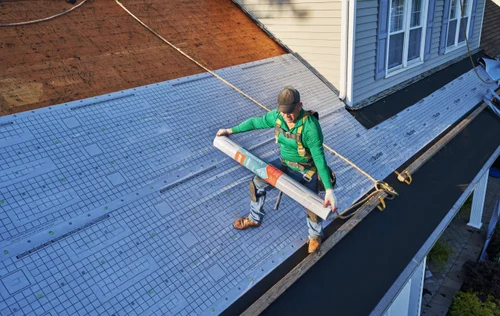
Roof underlayment is a water-resistant or waterproof barrier installed directly on the roof deck, under the main roofing material, like shingles or metal panels. It serves as an additional protective barrier to safeguard your home and stop moisture from reaching the wood beneath, especially when wind-driven rain, ice dams, or damaged shingles try to sneak water into your home.
Why Do You Need Underlayment?
Underlayment plays several key roles:
-
Water Resistance: It acts as a water barrier, preventing water from seeping into the home during heavy rain or snow.
-
Protection Against Ice Dams: In colder climates, ice dams can form and cause water to back up under shingles. The right underlayment reduces this risk.
-
Enhanced Durability: It adds an extra layer of protection that helps your roof last longer, even in extreme weather conditions.
-
Improved Energy Efficiency: Some underlayment options help to improve a home’s energy efficiency by providing better insulation.
Types of Roofing Underlayment
There are various types of roofing underlayment, each suited for different types of roofing materials and climates. Here’s a breakdown of the most common options:
1. Felt Underlayment
-
Best for: Budget-conscious homeowners, temporary protection
-
Pros: Affordable, easy to install
-
Cons: Tears easily, short lifespan, not ideal for extreme heat or heavy rains
2. Synthetic Underlayment
-
Best for: Asphalt shingles, residential re-roofing
-
Pros: Lightweight, tear-resistant, UV-resistant, longer lifespan
-
Cons: Can be slippery, and some brands might hold moisture if installed incorrectly
-
Common issue: Problems with synthetic roof underlayment often come from poor installation, not the product itself.
3. Peel and Stick Underlayment
-
Best for: Metal roofs, valleys, eaves, high-risk leak areas
-
Pros: Self-adhering, waterproof, no fasteners needed, seals around nails
-
Cons: Expensive, must be installed on clean surfaces only
-
Popular pick: Peel-and-stick underlayment for metal roof systems is highly recommended in snow zones or hurricane-prone states.
What Is the Best Underlayment for Roofing?
| Roof Type | Recommended Underlayment |
|---|---|
| Metal Roof | Peel and stick underlayment (ice & water shield) |
| Asphalt Shingles | High-quality synthetic underlayment |
| Steel Roofing | Hybrid or synthetic + peel & stick in problem areas |
| Tile Roof | Double-layer felt or synthetic + peel & stick at edges |
Tip from the field: Don’t mix underlayments unless your roofer knows what they’re doing. Stick to one system when possible.
Problems with Synthetic Roof Underlayment
While synthetic roof underlayment has many advantages, it also comes with some challenges:
-
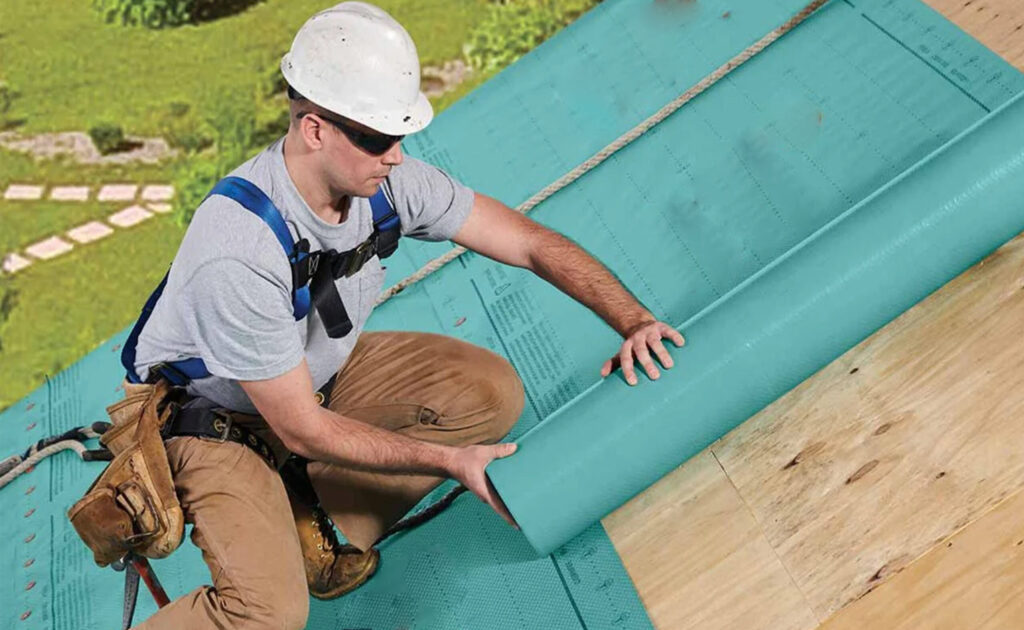
Installation Sensitivity: Synthetic underlayment can be slippery during installation, requiring extra caution.
-
UV Exposure: Some synthetic underlayments degrade quickly if exposed to UV rays before the roof covering is installed.
Cost of Roofing Underlayment
-
Felt: $0.15–$0.30 per sq ft
-
Synthetic: $0.25–$0.60 per sq ft
-
Peel & Stick: $0.75–$1.50+ per sq ft
Yes, synthetic and peel & stick cost more upfront, but they save you thousands in leak repairs over time. And if you’re paying for a full roof, skimping on the underlayment is like putting a Ferrari engine in a rusted-out shell.
Advantages and Disadvantages
 Pros:
Pros:
-
Stops leaks even if the top layer fails
-
Protects wood decking from rot
-
Required by most building codes
-
Adds fire resistance and wind uplift support
 Cons:
Cons:
-
Poor installation = wasted money
-
Not all synthetics are created equal
-
Some products trap moisture if improperly installed
When Should You Replace Roof Underlayment?
-
During residential re-roofing
-
After a storm or water damage
-
If your roof is 15+ years old and has never been checked underneath
Always inspect your roofing underlayment during any home re-roofing project. Even the best shingles won’t protect your house if the layer underneath is weak.
What to Ask Your Roofer Before You Sign
-
What brand of underlayment will you use?
-
Will you use peel & stick in valleys or edges?
-
Is synthetic or felt better for my climate?
-
Will you follow the manufacturer’s installation instructions?
The best re-roofing company or contractor should walk you through these without skipping a beat.
FAQs
What is better, EPDM or PVC roofing?
PVC roofing is better for commercial buildings that need strong chemical resistance and heat-welded seams, while EPDM roofing is more affordable and better for colder climates. Choose PVC for durability and EPDM for cost-effective, long-term performance.
What Felt is the best for roofing?
The best felt for roofing is 30 asphalt-saturated felt, as it offers better tear resistance and durability than 15 felt. It’s ideal for steeper roofs and provides reliable protection beneath shingles.
What happens if you don’t use underlayment on a roof?
Without underlayment, your roof is vulnerable to leaks, mould, and wood rot, especially during storms or if shingles get damaged. Skipping underlayment can also void warranties and violate local building codes.
What is the best roofing underlayment to use?
The best roofing underlayment is synthetic underlayment for most homes due to its lightweight design, tear resistance, and water protection. Use peel-and-stick underlayment in valleys, eaves, and metal roofing for maximum waterproofing.
Conclusion
Choosing the right underlayment for your roof ultimately depends on your roofing materials, the climate in your area, and your budget. But here’s what you should never do: leave that decision in the hands of someone who just wants to finish the job fast.
While synthetic options offer the best durability and moisture resistance, peel-and-stick underlayment provides exceptional waterproofing, especially for metal roofs. Asphalt-saturated felt is still a popular choice due to its affordability, but synthetic materials are becoming increasingly favoured for their longevity and superior protection.
If you’re still unsure about which underlayment is best for your home, Procraft Home Products can guide you in making the right choice. We know how to deliver the best solutions to your needs.
 Reach out today for expert advice or a free quote from trusted re-roofing contractors near you.
The post What Is the Best Underlayment For Roofing? appeared first on ProCraft Home Products.
source https://www.procrafthomeproducts.com/what-is-the-best-underlayment-for-roofing/


No comments:
Post a Comment